
Pomegranates generally bear fruit in autumn, and their maturity period is concentrated from August to October. The ripening time of pomegranate is influenced by factors such as variety differences, climatic conditions, planting regions, cultivation management, and fruit development stages.
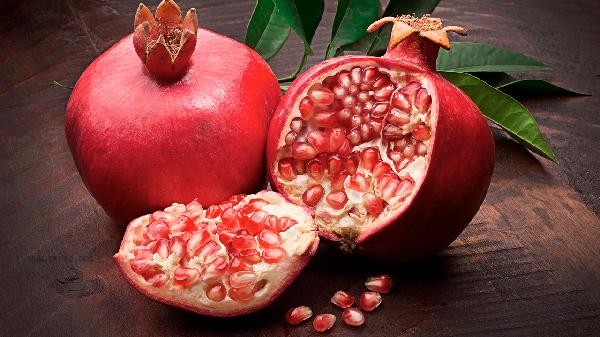
1. Variety Differences
There are significant differences in the maturity period of different varieties. Early maturing varieties such as green skinned pomegranates can usually be harvested in August, and the edible standard is reached when the skin appears yellow green. The mid maturity varieties are represented by Dahongpao, and the fruit color turns bright red in mid September, with plump and juicy seeds. Late maturing varieties such as crystal pomegranates take until October to fully ripen, with thick skin but storage resistance, making them suitable for long-distance transportation.
2. Climate conditions
Temperature and light directly affect the fruit development cycle. The ripening period can be advanced in southern regions with higher average annual temperatures, while fruits in northern regions with larger temperature differences between day and night have higher sweetness but mature slightly later. Continuous rainy weather during the flowering period can lead to poor pollination, while drought during fruit development can easily cause cracking of the fruit skin, which can affect the final harvest time.
III. Planting Area
The geographic latitude determines the gradient distribution of maturity time. Early maturing varieties will be available in low latitude regions such as Yunnan and Sichuan at the end of July, while the main production areas in the Yellow River Basin are concentrated in September. Due to insufficient accumulated temperature, harvesting in northwest regions such as Xinjiang may be delayed until late October. High altitude planting areas generally mature later than plain areas. 4. Cultivation Management Scientific cultivation measures can regulate the fruiting cycle. Reasonable pruning can improve tree ventilation and light transmission, and promote flower bud differentiation. Water control treatment can induce fruit trees to enter the reproductive growth stage ahead of schedule, while increasing potassium fertilizer application during fruit enlargement can accelerate sugar accumulation and advance the maturity period.
Fifth, fruit development
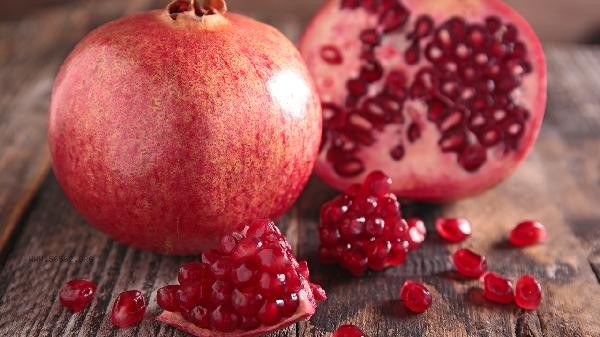
requires a complete growth period from flowering to maturity. Pomegranate flowers and young fruits need 120-150 days to develop, during which they undergo three stages: cell division, material accumulation, and color maturation. Picking too early can lead to a strong sour and astringent taste, while picking too late can easily cause fruit cracking. Observing the glossiness of the skin and the color of the seeds are key indicators for judging maturity. Eating seasonal pomegranate in autumn can maximize the absorption of nutrients. Mature fruits are rich in antioxidants such as anthocyanins and tannic acid, and their vitamin C content can reach three times that of apples. When selecting, it is best to choose fruit with tight skin and heavy texture. When storing, it is recommended to keep the stem and place it in a cool and ventilated environment. Pomegranate seeds and peel can be used as medicine, but those with weak gastrointestinal function should avoid eating pulp on an empty stomach, and diabetes patients need to control their intake. Pomegranate seeds can be added to yogurt or salads in daily life to maintain taste and balance nutrition.








Comments (0)
Leave a Comment
No comments yet
Be the first to share your thoughts!