
The wax on the surface of apples is usually artificially or naturally formed edible wax, mainly used for preservation and enhancing appearance. Apple waxing mainly includes fruit wax, insect glue wax, Brazilian palm wax and other types, all of which meet food safety standards.
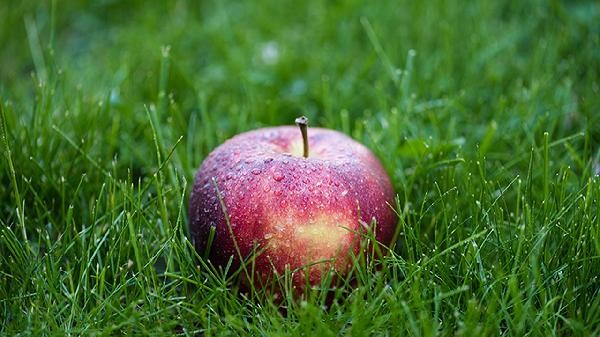
1. Fruit wax
Fruit wax is a natural wax secreted by apples themselves, mainly composed of lipids and hydrocarbon compounds, which can reduce water evaporation and prevent microbial invasion. The natural fruit wax on the surface of harvested apples may be partially damaged by cleaning, and some merchants may restore its luster through polishing techniques.
2. Cordyceps wax
Cordyceps wax is a natural wax extracted from the secretion of purple glue insects, which has film-forming and waterproof properties. When used as a food additive, it must comply with national standards and is commonly used for the preservation of citrus fruits and apples. It needs to be gently cleaned with warm water and a soft cloth.
3. Brazilian Palm Wax
is a plant wax extracted from palm leaves, which has a high melting point and good glossiness. The Codex Alimentarius Commission allows it to be used as a fruit film coating, and its safety has been evaluated through toxicology. Normal cleaning can remove surface residues.

4. Artificially synthesized wax
Some food grade synthetic waxes such as polyethylene wax may be used for fruit preservation, and China stipulates that their residual amount shall not exceed 0.01 grams per kilogram. When purchasing, you can choose products with green food certification to avoid the risk of illegal use of industrial wax.
5. Safe removal method
Soak in warm water at around 50 ℃ and gently rub the skin with salt, or clean with food grade detergent to effectively remove wax. Although organic apples are not waxed, there may be natural fruit wax residue. It is also recommended to clean them before consumption. There is no need to worry excessively about the wax layer on the surface of apples, as the wax content of fruits purchased through legitimate channels is within a safe range. Rinse with running water for 30 seconds before daily consumption to remove most surface residues and avoid using hard brushes to damage the skin. For people with weak digestive function, peeling and consuming can be considered, but it may result in the loss of some dietary fiber and antioxidant substances in the skin. When storing, pay attention to keeping it dry and ventilated. Excessive temperature may cause wax to melt and affect the taste.








Comments (0)
Leave a Comment
No comments yet
Be the first to share your thoughts!