
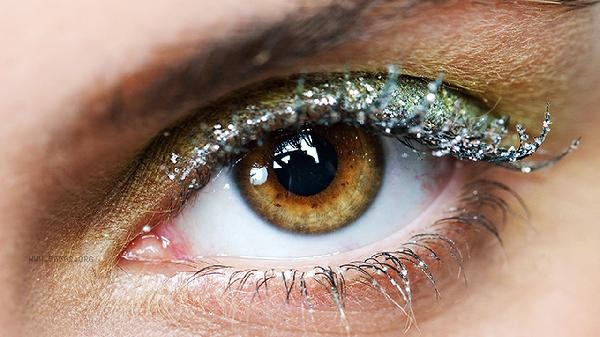
Sudden swelling of the eyelids may be related to factors such as mosquito bites, allergic reactions, conjunctivitis, stye, and lacrimal gland inflammation. It can be relieved through cold compress, anti allergic treatment, antibiotic eye drops, and other methods.
1. Mosquito bites
Mosquito bites may cause local swelling of the eyelids, accompanied by itching or mild pain. The toxins released after mosquito bites can cause local inflammatory reactions. You can apply calamine detergent externally to relieve itching, avoid scratching and prevent infection. If swelling continues to worsen or systemic symptoms appear, it is recommended to seek medical attention.
2. Allergic reactions
Exposure to allergens such as pollen and cosmetics may cause allergic blepharitis, characterized by redness, swelling, and burning sensation of the eyelids. Commonly accompanied by conjunctival congestion and tearing. You can follow the doctor's advice to use Olotadine hydrochloride Eye Drops for anti allergic treatment, combined with cold compress to reduce swelling. Parents should pay attention to children's avoidance of rubbing their eyes, which can aggravate irritation. Conjunctivitis caused by bacterial or viral infections is often accompanied by eyelid edema, with typical symptoms including redness and increased secretions. Levofloxacin eye drops can be used for bacterial conjunctivitis, and ganciclovir gel can be used for viral conjunctivitis. During the acute phase, it is necessary to avoid wearing contact lenses and clean the eyelids with saline solution.
4. Balantima
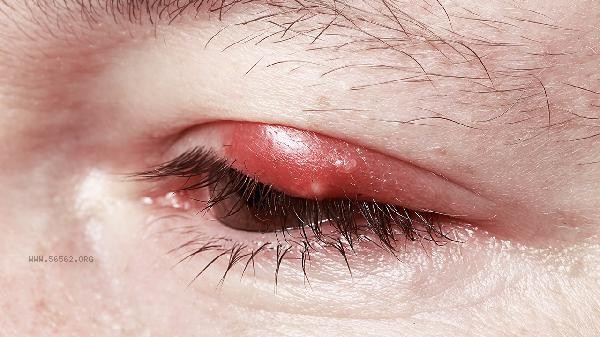
Balantima caused by meibomian gland infection can lead to local redness, swelling, heat, and pain, with early manifestations of induration. It may be related to Staphylococcus aureus infection. Hot compress can promote pus discharge, and in severe cases, incision and drainage may be necessary. Antibiotics such as erythromycin eye ointment should be used under the guidance of a doctor and should not be self squeezed.
5. Tear gland inflammation
Tear gland inflammation can cause swelling on the outer side of the upper eyelid, often accompanied by tenderness and increased tearing. It may be related to infections such as mumps virus. During the acute phase, tobramycin and dexamethasone eye ointment should be used to control inflammation. If abscess formation occurs, surgical drainage is required. Repeated attacks require screening for autoimmune diseases.
Daily attention should be paid to keeping the eyes clean and avoiding the use of expired cosmetics. Reduce high salt diet during swelling and elevate pillows during sleep to alleviate edema. If symptoms such as blurred vision or fever do not improve within 48 hours, immediate medical attention should be sought to diagnose severe conditions such as periorbital cellulitis. Parents of pediatric patients should pay special attention to preventing them from rubbing their eyes.





Comments (0)
Leave a Comment
No comments yet
Be the first to share your thoughts!