
The black skin inside walnuts is usually caused by oxidation or mold growth of the seed coat. The blackening of walnut inner seed coat may be related to factors such as oxidation reaction, improper storage, mold growth, variety characteristics, and excessive heating.
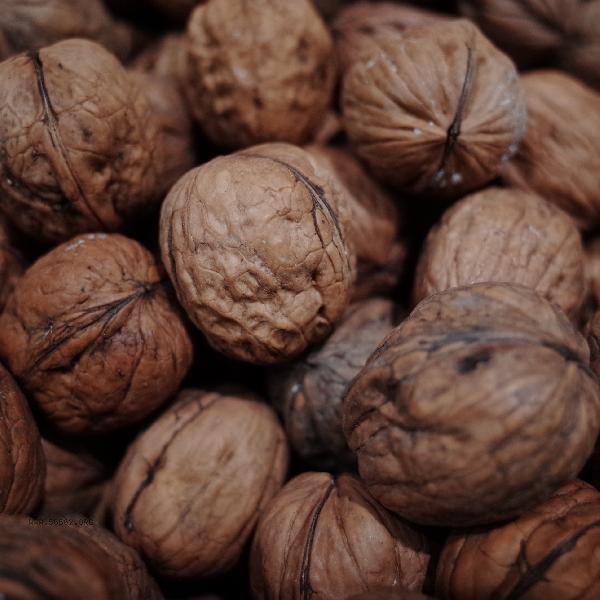
1. Oxidation Reaction
Walnut seed coat contains abundant polyphenolic substances, which can undergo oxidation reactions when exposed to air for a long time, leading to a darker color. This oxidation is a natural phenomenon that usually does not affect food safety, but may slightly increase the bitterness. It is recommended to seal and avoid light during storage to reduce oxidation rate.
2. Improper storage
High temperature and high humidity environment can accelerate the deterioration process of walnut inner seed coat. If the storage environment humidity is too high, it may cause the color of the seed coat to darken after absorbing moisture, and the humid environment may also cause other quality problems. Walnuts should be placed in a cool and dry place, and consumed as soon as possible after opening.
3. Possible mold growth
When walnuts are damp or stored for too long, the inner seed coat may become moldy and blackened. Moldy walnuts can produce harmful substances such as aflatoxins, which may manifest as black spots or overall color abnormalities. Moldy walnuts are not edible and should be discarded immediately.
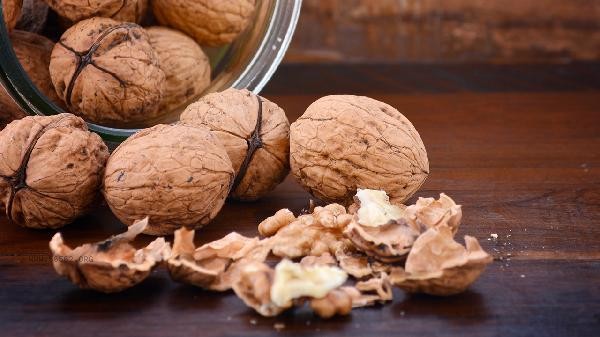
4. Variety Characteristics
Some walnut varieties themselves have a darker inner seed coat color, such as special varieties like black walnuts. This natural black color is a normal phenomenon and has nothing to do with quality. When purchasing, one can determine whether the color is normal by understanding the characteristics of the variety.
5. Over heating
During high-temperature baking or frying, the color of walnut inner seed coat may darken due to Maillard reaction. The color change caused by moderate heating usually does not affect consumption, but excessive heating may damage the nutritional content. Suggest controlling the processing temperature and time.
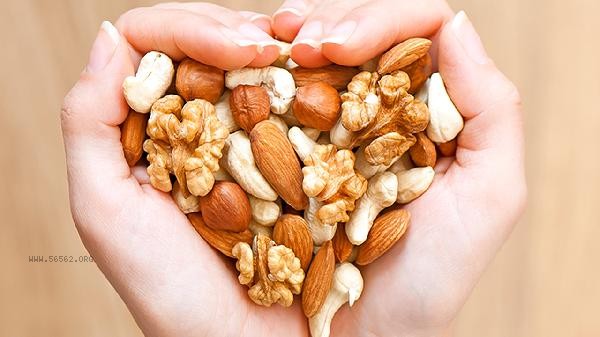
When consuming walnuts in daily life, attention should be paid to observing the color changes of the inner seed coat. Slight oxidation and blackening can be consumed normally. If obvious mold spots or odors appear, they should be discarded. It is recommended to choose walnuts with intact shells and no damage when purchasing. After opening, seal and store them in a cool and dry place to avoid contact with moisture. Moderate consumption of walnuts can help supplement unsaturated fatty acids and vitamin E, but the recommended daily intake is 20-30 grams. For walnuts that have been stored for a long time, the quality should be carefully checked before consumption.








Comments (0)
Leave a Comment
No comments yet
Be the first to share your thoughts!