
The non crispness of pickled radish may be caused by insufficient pickling time, improper salt ratio, incorrect selection of radish variety, poor temperature control, and inadequate sealing.
1. Insufficient marinating time
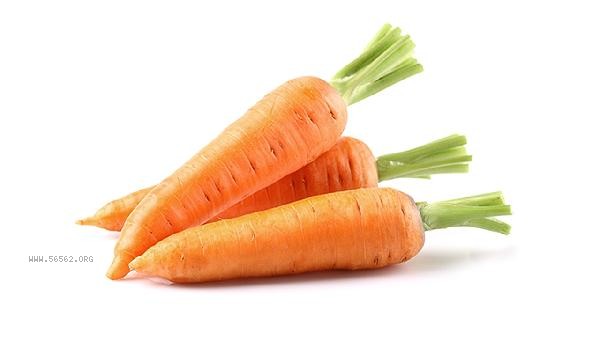
Carrots require sufficient time for salt to penetrate and remove some moisture during the marinating process. If the marinating time is too short, the cell structure may not shrink sufficiently, resulting in a harder taste. The traditional method usually requires pickling for at least several hours to a day, with the specific time adjusted according to the size of the radish slices. Carrots that have been pickled for a short period of time may only have a salty taste on the surface, while still maintaining a crispy texture inside.
2. Inappropriate salt ratio
Excessive salt concentration can cause excessive dehydration and make radishes dry and tough, while insufficient salt concentration cannot inhibit the proliferation of miscellaneous bacteria and lead to soft rot. It is recommended to control the amount of salt used per kilogram of radish within a reasonable range, and to balance the flavor with a small amount of white sugar. When the osmotic pressure of salt is insufficient, the cell wall of radish cannot effectively contract, making it difficult to form a crisp texture.
3. Incorrect selection of radish varieties
Summer radishes with high moisture content or aged radishes stored for too long are not suitable for pickling. The former has low cell wall strength and is prone to softening and rotting, while the latter has aged fibers that are difficult to taste. Green skinned radishes or Heart Beauty radishes produced in winter are easier to maintain crispness after pickling due to their tight tissue structure. Choosing carrots with high freshness is the key to ensuring taste.
4. Poor temperature control
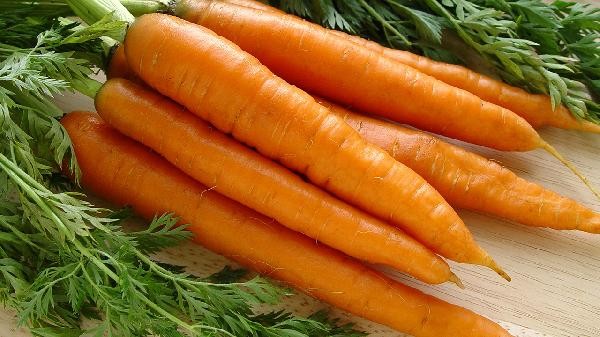
High temperature environments can accelerate the activity of lactic acid bacteria, leading to excessive fermentation and softening of radishes. It is recommended to pickle in a cool and ventilated place. If the temperature is too low, the fermentation process will be delayed, and the pickling time can be appropriately extended. The traditional method often uses heavy objects to press down on the radish and completely immerse it in saltwater, which can not only evenly taste but also maintain a low temperature state.
5. Poor sealing
Exposure to air can cause harmful bacteria to multiply and produce mucus, making the surface of the radish sticky and brittle. The use of kimchi jars or vacuum containers with water seal design can effectively isolate oxygen. During the curing process, regular inspection is required. If white film is found, it needs to be removed in time and supplemented with high Baijiu for sterilization.
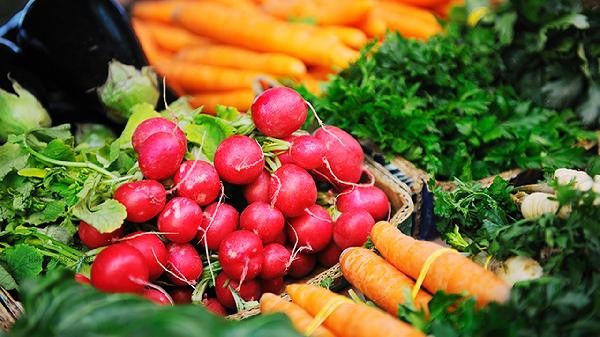
To improve the taste of pickled radish, try the following methods: cut fresh winter radish into strips and rub them with salt until slightly soft. Prepare salt water according to the ratio and add a little white vinegar to help crispy. After putting them in a disinfected container, press a heavy object to ensure complete immersion, and marinate them in a cool place for several days. Refrigerate before consumption to enhance crispness and avoid using metal utensils for retrieval. If it has become soft, it can be mixed with fresh radish strips and marinated, using its natural enzymes to help crispy. Pay attention to the fermentation process, and stop eating when there is an abnormal odor or color.








Comments (0)
Leave a Comment
No comments yet
Be the first to share your thoughts!