
Severe hair loss caused by dieting and weight loss may be related to factors such as nutritional deficiencies, hormonal imbalances, metabolic disorders, mental stress, and hair follicle damage. Hair loss can be alleviated through adjusting diet, supplementing nutrition, improving daily routine, medication treatment, medical intervention, and other methods.
1. Nutritional deficiency
Long term dieting leads to insufficient intake of key nutrients such as protein, iron, zinc, and vitamin D, which affects hair follicle cell division and keratin synthesis. The main component of hair is keratin, and protein deficiency can directly lead to brittle hair and shortened growth cycle. Insufficient iron can reduce the oxygen carrying capacity of red blood cells, causing hair follicles to enter a dormant phase due to hypoxia. It is recommended to consume sufficient amounts of lean meat, eggs, animal liver and other foods rich in heme iron daily, combined with vitamin C to promote iron absorption.
2. Hormonal imbalance
Extreme calorie restriction can lower leptin levels while increasing hormones such as cortisol and testosterone. Excessive accumulation of dihydrotestosterone can attack hair follicles, leading to receding hairline and thinning of the scalp. Women may experience androgenic alopecia accompanied by menstrual disorders. It is necessary to maintain hormone stability by restoring a balanced diet, and if necessary, test six levels of sex hormones. Follow the doctor's advice to use spironolactone tablets or ethinylestradiol and progesterone tablets to regulate hormones.
3. Metabolic disorders
Suddenly reducing carbohydrate intake can trigger a stress response in the body, causing a 30% -50% decrease in thyroid hormone T3 levels and leading to resting phase hair loss. The daily amount of hair loss can exceed 100 strands, which will fall off in clusters when shampooing. It is necessary to gradually restore the intake of staple foods to more than 150 grams per day, and prioritize low GI foods such as brown rice and oats, combined with selenium yeast tablets to assist in thyroid function recovery.

4. Mental stress
Long term starvation activates the sympathetic nervous system, promoting vasoconstriction around hair follicles. Continuous elevation of stress hormones can shorten the hair growth period and advance into the degenerative phase. Manifested as diffuse thinning of the hairline, possibly accompanied by behavioral abnormalities such as trichotillomania. It is recommended to undergo mindfulness based stress reduction training, ensuring 7 hours of sleep, and if necessary, using Guweisu tablets to regulate autonomic nervous system function.
5. Hair follicle injury
Severe malnutrition can lead to hair follicle miniaturization and apoptosis of hair papilla cells. Hair gradually becomes thinner and softer, eventually forming irreversible hair follicle closure. In the early stage, minoxidil tincture can be used to dilate blood vessels and improve blood supply, while in the late stage, hair transplantation is required. It is necessary to immediately stop extreme dieting and ensure a daily intake of high-quality protein at 1.2 grams per kilogram of body weight, combined with biotin supplements to repair hair follicles.
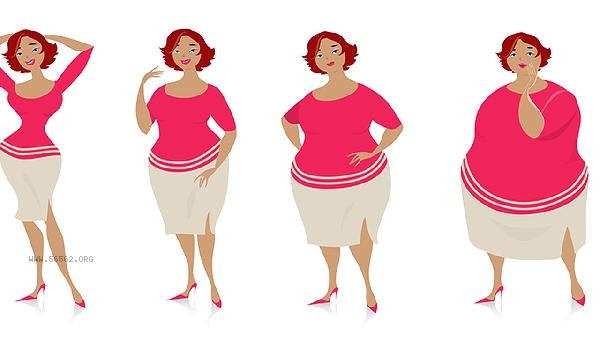
It is recommended to adopt a gradual calorie deficit control, with a weekly weight loss of no more than 1 kilogram, to ensure a daily intake of over 1200 kcal of basic calories. Adding foods rich in omega-3 such as salmon and nuts can help reduce hair follicle inflammation, while regular low-intensity exercise such as brisk walking and yoga can improve scalp blood circulation. When hair loss persists for more than 3 months or is accompanied by nail ridges and dry skin, it is necessary to seek timely medical attention from an endocrinologist or dermatologist.








Comments (0)
Leave a Comment
No comments yet
Be the first to share your thoughts!