
The sticking of scrambled eggs to the pan is usually related to factors such as the material of the pan, oil temperature control, and stir frying techniques. It may be caused by insufficient preheating of the pan bottom, insufficient cooking oil, excessive moisture in the egg mixture, excessive heat, and wear of the pan coating.
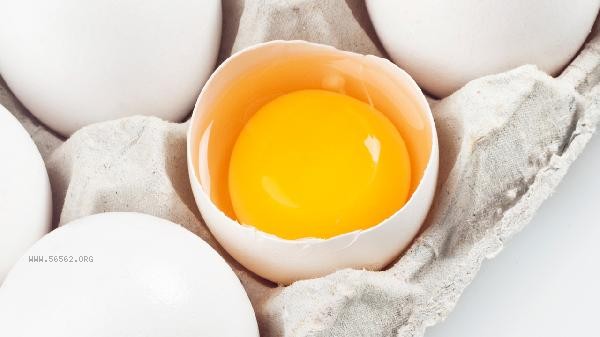
1. Insufficient preheating of the pot bottom
When pouring egg mixture directly into a cold pot, the protein will quickly bind to the metal surface, causing adhesion. It is recommended to heat the empty pan until it drips into beads before frying, and then pour in cooking oil to moisten the pan, forming a hot oil isolation layer. Cast iron or stainless steel pots need to be preheated thoroughly to avoid local burning of ingredients due to excessive temperature differences.
2. Insufficient edible oil
When the oil is insufficient, an effective lubricating layer cannot be formed, and protein denaturation and adhesion will occur when the egg liquid directly contacts the high-temperature metal surface. It is recommended to pair each egg with 5 milliliters of cooking oil. High smoke oils such as peanut oil or sunflower seed oil are more suitable for high-temperature cooking. Adequate oil can also help eggs form a fluffy texture and reduce frictional resistance during stir frying.
3. Excessive moisture in egg mixture
Excessive stirring or adding moisture during egg beating can make the egg mixture thin, and rapid evaporation of moisture during heating can cause protein to shrink and stick to the pot. Fresh eggs themselves contain 87% moisture and do not require additional water. If you pursue a tender and smooth taste, you can add a small amount of milk instead of water. Milk fat can help separate protein from the pan.
4. Excessive heat
Stir frying over high heat can cause the outer layer of the egg to quickly char, and the uncured egg liquid inside will seep out and adhere to the bottom of the pot. It is recommended to cook over medium heat. After pouring in the egg mixture, let it stand for 10 seconds to allow the bottom layer to solidify, and then gently push it from the edge with a spatula. electromagnetic stove users can control the power to around 1200 watts to avoid local overheating.
5. Wear of coating on cookware
Non stick cookware: After the coating is damaged, the metal substrate is exposed, and the micro concave convex surface is prone to getting stuck in the egg mixture. When scratches or frequent food adhesion are found on the surface of the pot, the cookware needs to be replaced. Avoid using steel wire balls for daily cleaning. Wooden or silicone shovels can extend the coating life. Traditional iron pots can form an oil film to prevent sticking through regular maintenance.
To improve the stickiness of scrambled eggs, it is necessary to comprehensively adjust the cooking method, choose pots with moderate thickness for better heat storage, and stir fry quickly and decisively. Eggs themselves are rich in lecithin, and controlling the oil temperature appropriately can naturally form a non stick layer. If an iron pot is used, drying and oiling after each cleaning can gradually form a natural non stick layer. Special groups such as diabetes patients need to pay attention to the amount of oil, and can use ceramic pots to reduce oil intake.








Comments (0)
Leave a Comment
No comments yet
Be the first to share your thoughts!