
The lack of oil in pork may be related to factors such as improper selection of pork parts, incorrect cooking methods, insufficient freshness of pork, poor storage conditions, and differences in variety.
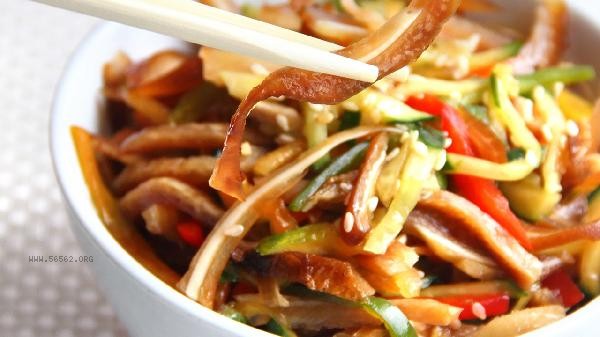
1. Improper selection of pork parts
There are significant differences in the fat content of pork in different parts. Pork tenderloin, hind leg meat and other lean meat parts themselves have less adipose tissue, making it difficult to release oil when heated. If you want to achieve an oily cooking effect, it is recommended to choose areas with thicker fat layers such as pork belly and pork neck. These areas are rich in intermuscular fat and are more likely to dissolve oil when heated.
2. Incorrect cooking method
Improper temperature control is a common cause. Low temperature slow frying is necessary to fully rupture fat cells. If stir fried over high heat or treated at high temperature for a short period of time, the fat will not be completely melted and will be reabsorbed by the meat fibers. Traditional lard refining requires continuous heating over low heat to allow the oil to gradually seep out. Insufficient power of the induction cooker or uneven heating of the frying pan can also affect the oil output.
3. Insufficient freshness of pork
Pork that has been frozen for too long will have its adipose tissue destroyed by ice crystals, forming a sponge like structure. When heated, the oil is easily absorbed and difficult to seep out. The cell structure of pork that has been repeatedly thawed is more severely damaged. Fresh pork should be stored in a 4 ℃ refrigerated environment for no more than 3 days, and frozen storage should not exceed 3 months, otherwise it will affect the oil yield.
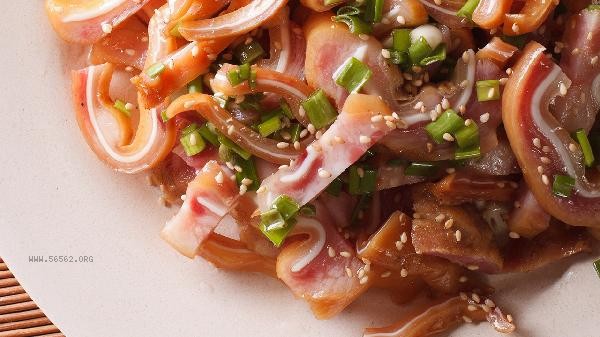
4. Poor storage conditions
Exposure to light and oxidation can cause fat to deteriorate. If pork is exposed to air or direct sunlight for a long time, its fat will undergo oxidation and rancidity, which not only reduces oil production but also produces a rancid taste. Vacuum packed pork can better maintain fat integrity. After purchase, it should be immediately packaged and stored frozen after removing any air from the bag.
5. Variety Differences
Traditional breeds such as domestic pigs have richer intermuscular fat deposition, and their oil yield is usually higher than that of lean meat commercial pigs. Modern aquaculture aims to achieve lean meat percentage by reducing fat content through variety selection. If you pursue the effect of cooking oil, you can choose to mark the parts with obvious texture of snowflake meat, or purchase pork fat specifically for refining. Improving the oil production of pork requires comprehensive adjustments in multiple aspects. When making a purchase, pay attention to the texture of the meat. Fresh pork should present a uniform pink color and have a glossy appearance. Before cooking, pork can be sliced thinly or in small pieces, and the fibrous tissue can be loosened by tapping the back of the knife. Use cast iron pots and other kitchen utensils with good heat storage performance to maintain slow heating at medium to low heat. Paired with deodorizing ingredients such as ginger and cooking wine, it can enhance the oil flavor. When storing, avoid mixing with other strongly scented foods to prevent fat from adsorbing odors. For people who need to control oil, it is advisable to prioritize pork parts with lower fat content and use methods such as blanching to remove some oil in advance.








Comments (0)
Leave a Comment
No comments yet
Be the first to share your thoughts!