
The black red color of pomegranate may be a normal phenomenon of maturity or deterioration, mainly related to factors such as variety characteristics, oxidation reactions, improper storage, fungal infections, mechanical damage, etc.
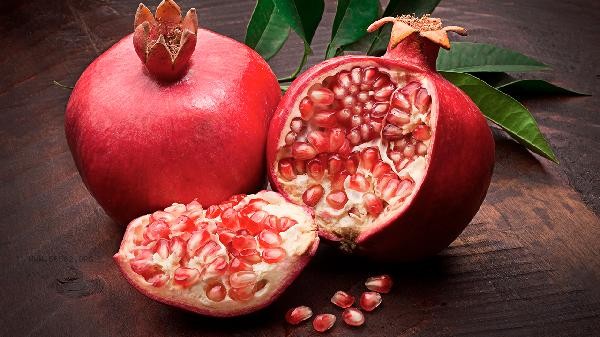
1. Variety Characteristics
Some pomegranate varieties naturally present deep red to black red skin when they mature, such as black pearl pomegranate. This type of variety has a high content of anthocyanins in its skin, and as sugar accumulates, it forms a rich color, which is a normal physiological phenomenon. After peeling off, the resulting particles should be transparent and dark red in color, with no abnormal odor.
2. Oxidation Reaction
After the pomegranate skin is bumped, polyphenolic substances come into contact with air and undergo enzymatic browning, which may form local black and red patches.
3. Improper storage
Low refrigeration temperature or prolonged storage time can cause frostbite and necrosis of skin cells, resulting in flaky blackening. If accompanied by softening of the fruit flesh, exudation, or alcohol flavor, it indicates that it has spoiled and deteriorated.

4. Fungal infection
Infection by pathogens such as Alternaria can cause circular black brown lesions with edges resembling water stains. This type of pomegranate may contain mycotoxins, and the flesh below the skin lesions is usually contaminated.
5. Mechanical damage
During transportation, compression and collision can cause damage to subcutaneous tissue, resulting in irregular black red bruising. Minor damage only affects appearance, but if the wound rots, it may breed bacteria.
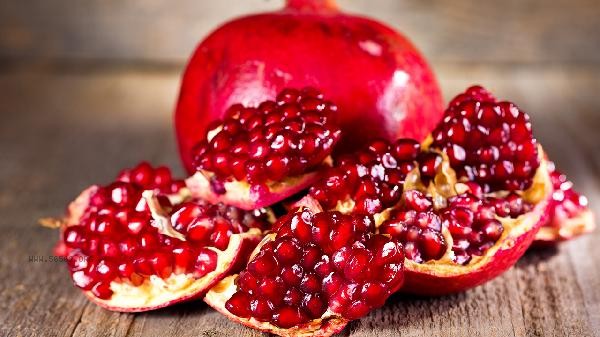
When choosing pomegranates, priority should be given to fruits with tight skin and uniform color. Slight color spots can be removed before consuming local flesh. Keep dry and ventilated during storage to avoid stacking. Pomegranates that have undergone extensive blackening, odor, or mold stains are recommended to be discarded. Daily consumption of fresh pomegranate can supplement antioxidant substances such as vitamin C and anthocyanins, but spoiled fruit may cause gastrointestinal discomfort and should be carefully identified.








Comments (0)
Leave a Comment
No comments yet
Be the first to share your thoughts!