
Frozen dumplings that rots when cooked are usually related to moisture loss from the dumpling skin, improper freezing methods, or incorrect cooking techniques. The main reasons include repeated thawing of dumpling skins, unstable freezing temperature, high water temperature during cooking, incomplete decomposition and freezing of dumplings, and insufficient gluten content of flour.
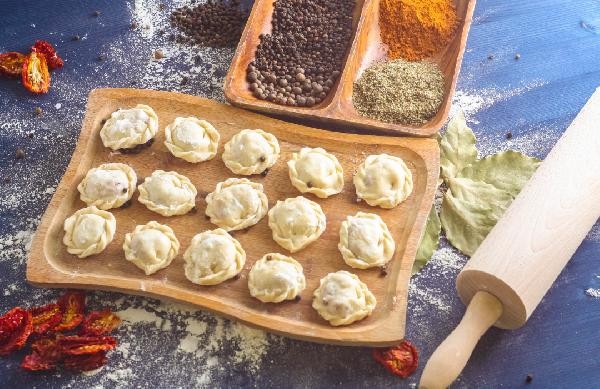
1. Repeated thawing of dumpling skin
Frozen dumplings that undergo multiple thawing and freezing processes during storage can cause repeated formation of ice crystals inside the dumpling skin, damaging the gluten structure. After the gluten network breaks, the dumpling skin loses its elasticity and is prone to water absorption, swelling, and cracking during cooking. Suggest dividing the dumplings into small portions and freezing them to avoid repeated use of the entire bag.
2. Unstable freezing temperature
If the freezer compartment of a household refrigerator is frequently opened or the temperature is set too high, the dumplings will be in a semi frozen state. In this environment, starch undergoes a retrogradation reaction, where straight chain starch molecules rearrange, leading to a decrease in the toughness of dumpling skins. The ideal freezing temperature should be kept below minus 18 degrees Celsius and sealed with a bag to isolate the air.
3. When cooking, if the water temperature is too high [SEP], boiling water vigorously will produce strong impact force, causing the frozen dumpling skin to quickly soften while the filling remains at a low temperature. The temperature difference between the inside and outside causes uneven stress on the dumpling skin, leading to cracking. The correct approach is to put cold water into the pot, slowly heat it up over low to medium heat, and add cold water when the water slightly boils. Repeat this process three times.
4. Dumplings not fully decomposed and frozen
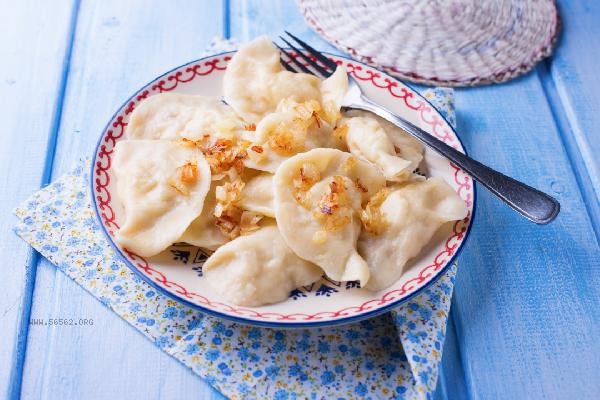
When directly cooking frozen dumplings, the outer layer quickly gelatinizes when exposed to heat, while the internal ice crystals do not melt. The steam pressure will cause the dumpling skin to swell and burst. The dumpling can be refrigerated for 2 hours in advance or left at room temperature for 30 minutes until there is no obvious ice residue on the surface. However, it should be noted that it should be cooked immediately after thawing to prevent spoilage.
5. Insufficient gluten content of flour
When making dumpling wrappers, if low gluten flour is used or too much water is added to the dough, the gluten network formed by the dough will have insufficient strength. After freezing, tendons are more prone to breakage, making it difficult to maintain their shape during cooking. It is recommended to use medium high gluten flour. When kneading, add no more than 240 milliliters of water per 500 grams of flour until the dough is smooth and elastic. Improving the cooking effect of frozen dumplings requires controlling the entire process from raw material selection to cooking. When making noodles, a small amount of salt and eggs can be added to enhance gluten strength. Before freezing, the dumplings should be arranged individually to avoid sticking, and stored in a food grade sealed bag under vacuum. When cooking, the amount of water should be sufficient, with at least 3 liters of water required for every 500 grams of dumplings. A small amount of salt or cooking oil can be added to the water to prevent sticking to the pot. If the dumpling surface becomes sticky after floating, it can be immediately taken out of supercooled water to maintain its taste. It is recommended to consume dumplings that have been stored for a long time within one month. If frozen for more than three months, the taste will significantly decrease. For cracked dumplings, frying or steaming can be used to reduce water shock.








Comments (0)
Leave a Comment
No comments yet
Be the first to share your thoughts!