
The bitterness of spinach may be caused by high oxalic acid content, variety differences, improper storage, incorrect cooking methods, pesticide residues, etc. It can be improved by blanching, selecting tender leaves, low-temperature storage, adjusting cooking methods, and thorough cleaning.
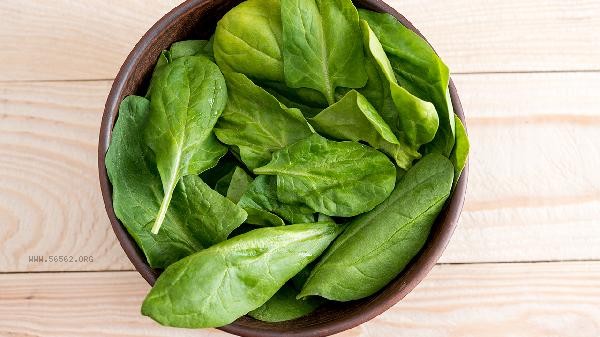
1. High content of oxalic acid
Spinach contains a lot of oxalic acid, which can combine with calcium in the mouth to produce a bitter taste. Fresh spinach has a higher content of oxalic acid, especially in the old leaves and rhizomes where it accumulates more. It is recommended to blanch spinach before cooking. Oxalic acid is easily soluble in water, and blanching can remove most of the oxalic acid and reduce bitterness. At the same time, avoid consuming high calcium foods to reduce the formation of calcium oxalate.
2. Variety Differences
There are differences in the content of bitter substances in different varieties of spinach, and some cold resistant varieties such as winter spinach have a more pronounced bitter taste. Spring spinach has a short growth cycle, tender leaves, and relatively mild bitterness. When making a purchase, you can observe the shape of the leaves and choose tender spinach with thin and small leaves, avoiding old spinach with thick and large leaves and thick and hard petioles.
3. Improper storage
When spinach is stored in a high temperature environment, nitrate will gradually convert into nitrite, producing a bitter taste. It is recommended to wrap spinach in a fresh-keeping bag and refrigerate it for no more than two days. Spinach that has already wilted or turned yellow has an increased bitterness and is not suitable for consumption. Frozen spinach is also prone to bitterness after thawing.
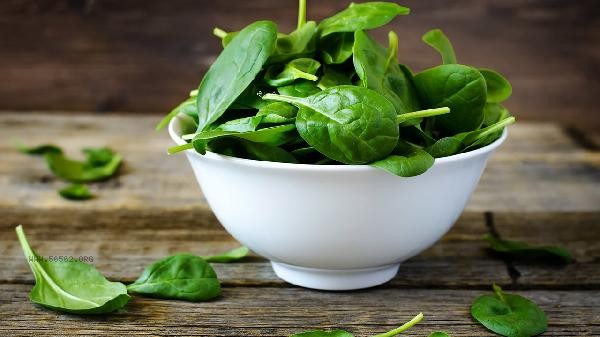
4. Incorrect cooking method
Long term high temperature cooking can cause chlorophyll in spinach to decompose, producing bitter substances. It is recommended to use fast frying or short blanching cooking methods to keep spinach crispy and tender. Avoid using copper cookware as copper ions can accelerate chlorophyll decomposition. Adding a small amount of sugar or cooking wine during cooking can help neutralize bitterness.
5. Pesticide Residues
Some pesticides used during the planting process may remain on the surface of spinach, causing abnormal bitterness. You should choose spinach purchased through legitimate channels, rinse each leaf with running water, and pay special attention to cleaning the folds of the petiole. Organic grown spinach has a lower risk of pesticide residues, and the bitterness is mostly derived from natural ingredients.
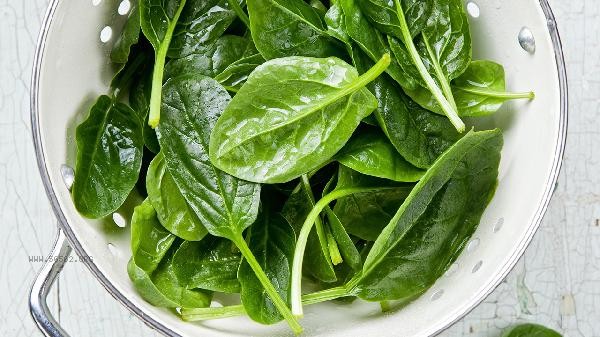
For daily consumption of spinach, it is recommended to choose fresh and tender leaves, wash thoroughly before cooking, and blanch quickly to retain nutrients and reduce bitterness. Spinach is rich in vitamin K, folate, and iron, but oxalic acid can affect calcium and iron absorption. Patients with kidney stones should control their intake. When storing, pay attention to maintaining low temperature and dryness, and avoid mixing with other strongly scented foods. If the bitterness is abnormally strong or accompanied by other odors, it should be stopped from consumption to prevent pesticide or spoilage hazards.








Comments (0)
Leave a Comment
No comments yet
Be the first to share your thoughts!