
Dumplings that spoil when cooked are usually related to factors such as improper dough ratio, excessive moisture in the filling, incorrect cooking methods, thin dumpling skin, or improper freezing. The main reasons include uneven softness and hardness of the dough, high moisture content in the filling, excessive mixing in boiling water, insufficient thickness of the rolled dough, and frozen dumplings that have not thawed.
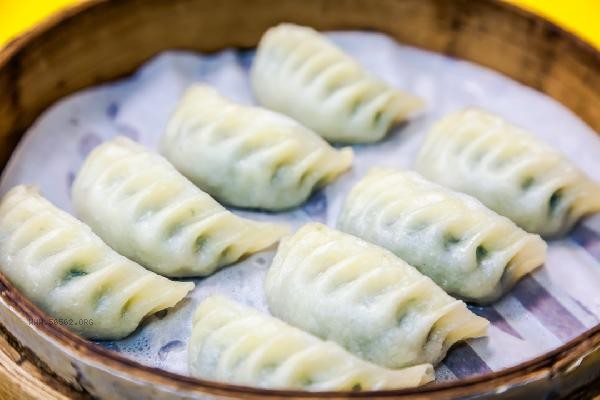
1. Uneven softness and hardness of dough
An imbalance in the ratio of flour to water can cause the dough to be too soft. When using high gluten flour, the dough is not fully kneaded, the gluten network is incomplete, and the dumpling skin lacks toughness. Suggest mixing every 500 grams of flour with 230 milliliters of warm water, knead until the dough is smooth, and let it rise for half an hour. When the air humidity is high in summer, the amount of water can be reduced appropriately, while in winter, warm water is needed to promote gluten formation.
2. High moisture content of filling
Vegetable filling is not fully dehydrated, and meat filling is not filled with enough water to the top, which increases the internal steam pressure during cooking and easily breaks the dough. Cabbage and other leafy vegetables should be salted and watered before being squeezed dry, and the meat filling should be stirred in the same direction until it becomes viscous. Mushroom ingredients need to be blanched in advance to remove moisture, and seafood fillings can be added with a small amount of starch to lock in water.
3. Excessive stirring in boiling water
When the water is not completely boiling, the dumplings will sink to the bottom and stick to the pot, and continuous vigorous stirring will cause mechanical damage. After the water vigorously churns, place the dumplings one by one and gently push them along the edge of the pot with a spoon to prevent sticking. Add a small amount of salt when cooking fresh dumplings, and thaw frozen dumplings with warm water before cooking.
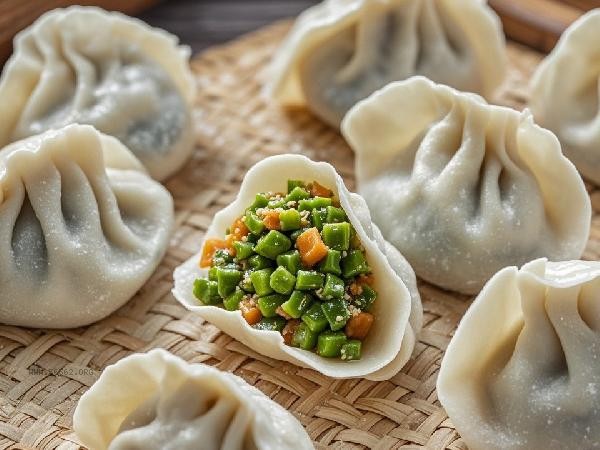
4. Insufficient rolling thickness
Dumpling wrappers with thin edges cannot withstand the pressure of filling expansion. It is recommended to maintain a thickness of about 1.5 millimeters in the middle. When manually rolling the leather, pay attention to the traditional technique of thick center and thin edges. The machine can adjust the gear to control the thickness of the leather pressing. When making the package, the mouth should be pinched tightly but avoid excessive pulling of the dough.
5. Frozen dumplings that have not thawed
Directly cooking frozen dumplings can cause the outer skin to gelatinize while the inner filling remains frozen, and the temperature difference can cause the dough to crack. The correct approach is to slowly thaw in the refrigerator for 2 hours or soak in cold water for 10 minutes. Quick frozen dumplings should be cooked according to the packaging label, and a small amount of cooking oil can be added to boiling water to prevent sticking.
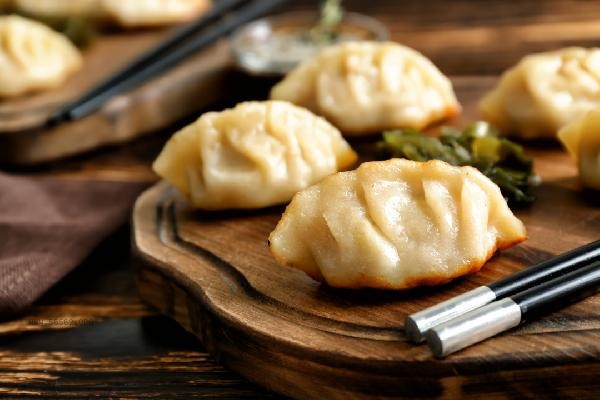
When cooking dumplings, use a deep pot to ensure sufficient water volume, and maintain a water to dumpling volume ratio of 3:1 or above. The traditional three-point water method requires adding cold water in stages after boiling to evenly gelatinize the dough. Dumpling wrappers made with whole wheat flour require an additional 1-2 minutes of cooking time. Boiled dumplings should be promptly removed as prolonged soaking can accelerate damage. When paired with aged vinegar or chili oil for consumption, be careful to avoid premature contact with acidic seasonings that may cause the dough to soften. The remaining dumplings can be flattened and frozen before being stored in bags. The water temperature should not be too high when re cooking.








Comments (0)
Leave a Comment
No comments yet
Be the first to share your thoughts!