
Burnt peanuts are not recommended for consumption, but can be used in small amounts for seasoning or special purposes. Burnt peanuts may contain carcinogens and long-term consumption may be harmful to health, but occasional small amounts used for flavoring or making specific dishes have lower risks. Burnt peanuts can produce harmful substances such as acrylamide during high-temperature cooking, which may increase health risks. Peanuts themselves are rich in protein, unsaturated fatty acids, and vitamin E, but after burning, some of the nutrients are destroyed and harmful ingredients may be generated. If peanuts are only slightly burnt and do not produce obvious bitterness, they can be used in small amounts to enhance the flavor when stewing soup or stir frying, but should be avoided from being consumed in large quantities directly. If the peanuts are completely carbonized or show obvious black spots, it is not recommended to continue using them. Carbonized parts not only have poor taste, but may also contain higher concentrations of harmful substances. In some traditional diets, slightly burnt peanuts are ground into powder and used as seasonings, but the frequency and amount of use need to be controlled. For people with gastrointestinal sensitivity or digestive system diseases, they should completely avoid consuming burnt peanuts.
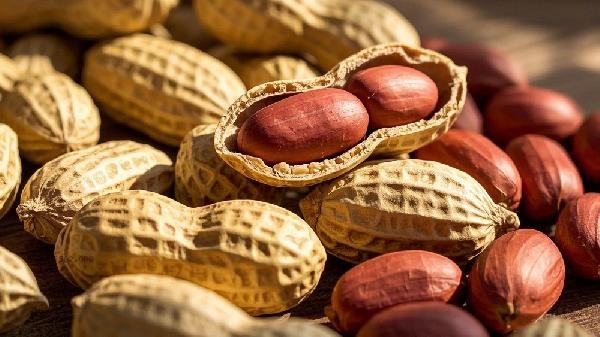
It is recommended to choose fresh, unburned peanuts in daily diet to preserve their nutritional value. Peanuts can be cooked, roasted, or stir fried, but attention should be paid to the heat to avoid burning. When storing peanuts, they should be placed in a cool place to prevent moisture and mold. If you need to use peanuts for seasoning, you can choose low-temperature baking or short-term stir frying to preserve the aroma and reduce the generation of harmful substances. When using burnt peanuts in special circumstances, it is recommended to remove the obvious carbonized parts and control the intake.








Comments (0)
Leave a Comment
No comments yet
Be the first to share your thoughts!