
The strange taste of hazelnut mushrooms may be caused by improper storage, spoilage, variety characteristics, processing residues, or growth environment influences. Hazel mushrooms themselves contain special volatile substances, which can easily breed bacteria and cause odors if not stored properly. Some wild hazelnut mushrooms may adsorb soil or humus odors, and incomplete cleaning during processing can also result in residual odors such as sulfur.
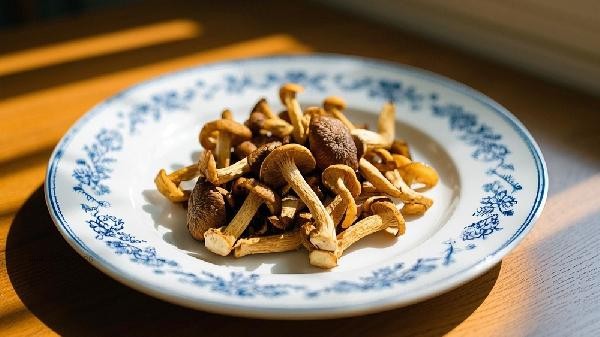
1. Improper storage
Hazel mushrooms are prone to moisture and mold in humid or high-temperature environments, producing a sour or moldy taste. Fresh hazelnut mushrooms should be stored in a sealed refrigerator, and dried products should be placed in a cool and dry place. If mixed with strongly scented ingredients, it may create a strange odor due to cross contamination. After storage exceeds the shelf life, protein decomposition will produce ammonia substances that emit odors.
2. Deterioration
Hazel mushrooms contaminated with microorganisms will emit a putrid odor, and when the cap becomes sticky or black spots appear, it indicates that they have deteriorated. Some pathogenic bacteria, such as Penicillium, may produce a earthy odor during reproduction, and ingestion may cause gastrointestinal discomfort. When purchasing, it is necessary to observe for signs of insect infestation, loss of nutrients from spoiled hazelnut mushrooms, and potential safety hazards.
3. Variety Characteristics
Some wild hazelnut mushrooms contain natural terpenoid compounds that emit a scent similar to that of herbs or wood. The gills of the red hazelnut mushroom may have a slight bitter taste, which can be reduced after blanching. This type of odor is a normal phenomenon, related to the growth environment and metabolic products of the variety, and does not affect food safety.
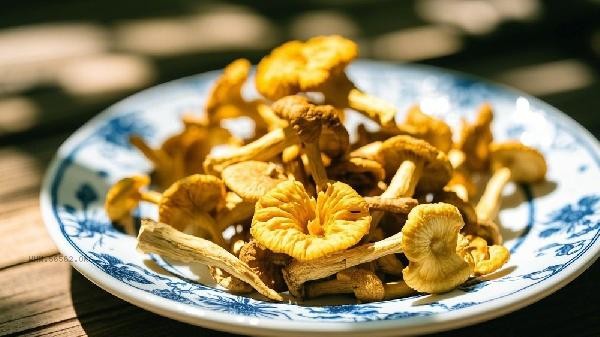
4. Processing residues
If dried hazelnut mushrooms smoked with sulfur are not thoroughly rinsed, they will retain a pungent odor. Some vendors may use preservatives for treatment, which may result in the smell of chemical reagents. It is recommended to soak in warm water for 2 hours before cooking, and change the water 2-3 times in the middle to effectively remove most of the residual odors from processing.
5. Influence of Growth Environment
Hazel mushrooms growing at the roots of pine trees may adsorb the scent of pine resin, while those near the humus layer may carry a soil odor. The odor caused by such environmental factors can be eliminated by cleaning and thorough cooking. After harvesting wild hazelnut mushrooms, surface attachments should be cleaned in a timely manner to prevent odors from infiltrating the bacterial cells.
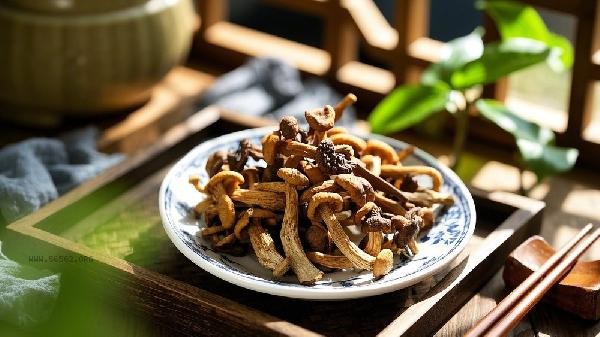
Before consuming hazelnut mushrooms, one should carefully identify the nature of the odor. A slight earthy smell can be safely consumed after treatment. If there is a noticeable decay smell, it should be discarded immediately. Suggest cooking hazelnut mushrooms with ginger slices and cooking wine to remove their flavor, or pairing them with strong flavored seasonings. Dry hazelnut mushrooms can be stored in food desiccants for daily use, and fresh hazelnut mushrooms are recommended to be blanched and frozen for preservation. If discomfort symptoms such as abdominal pain and diarrhea occur, seek medical attention promptly. Wild mushrooms should be confirmed for their safety before consumption.








Comments (0)
Leave a Comment
No comments yet
Be the first to share your thoughts!