
The wax on the surface of apples is usually artificially applied edible wax or natural fruit wax secreted by the fruit itself, mainly used for preservation and enhancing appearance. The main reasons for waxing apples are to prevent moisture loss, extend shelf life, inhibit microbial growth, enhance glossiness, and facilitate transportation and storage.

1. Preventing water loss
The wax covering the apple skin can effectively reduce the evaporation of water inside the fruit. This physical barrier can reduce the permeability of intercellular spaces, especially in dry environments, and maintain the plumpness of fruit pulp. Artificial edible wax has stronger sealing properties than natural fruit wax and is commonly used for preservation during long-distance transportation.
2. Extend shelf life
The wax layer can block oxygen from coming into contact with the fruit flesh, slowing down the oxidation reaction rate. Experiments have shown that the respiratory intensity of waxed apples is reduced compared to untreated fruits, resulting in a decrease in ethylene release and thus delaying the ripening process. Fungicides are often used in commercial processing to further inhibit the growth of mold.
3. Inhibiting microorganisms
The dense wax layer can block the attachment of pathogenic bacterial spores and reduce the probability of diseases such as penicillium. Artificial waxes such as food grade insect glue and palm wax contain antibacterial ingredients that can damage the structure of microbial cell membranes. But the protective effect of the wax layer on damaged fruits will significantly decrease.

4. Improving Appearance
The polished wax layer can enhance light reflectivity, giving the apple an attractive luster. Some imported fruits will add pigments to adjust the color of the wax layer, meeting the aesthetic needs of different markets. This treatment does not affect food safety, but may mask the true maturity of the fruit.
5. Easy to store and transport
Wax can reduce friction damage between fruits, especially suitable for mechanized sorting and packaging. The wax layer during cold chain transportation can prevent skin indentation caused by cold damage. The food additives allowed to be used in our country, such as polydimethylsiloxane, can form an elastic protective film to resist compression.
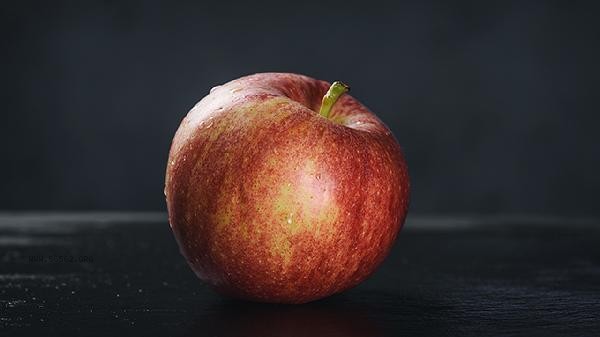
Before consuming waxed apples, it is recommended to rinse them with a soft brush and running water to remove most of the wax and pesticide residues on the surface. Natural fruit wax is harmless to the human body, and artificial consumption of wax does not pose any health risks even if it meets national standards. For those who are sensitive to wax or children, it can be peeled and consumed, but it may result in the loss of some epidermal nutrients. When choosing apples, the freshness of the fruit stem can be observed to determine the actual quality. It is recommended to choose fruits with excessive brightness with caution. Apples should be stored in a ventilated and cool place for daily use to prevent the wax layer from melting and seeping into the flesh at high temperatures.








Comments (0)
Leave a Comment
No comments yet
Be the first to share your thoughts!