
Dieting to lose weight and diarrhea may be related to factors such as imbalanced dietary structure, disrupted gut microbiota, weakened gastrointestinal function, food intolerance, chronic enteritis, etc. It can be improved by adjusting diet, supplementing probiotics, medication treatment, etc.
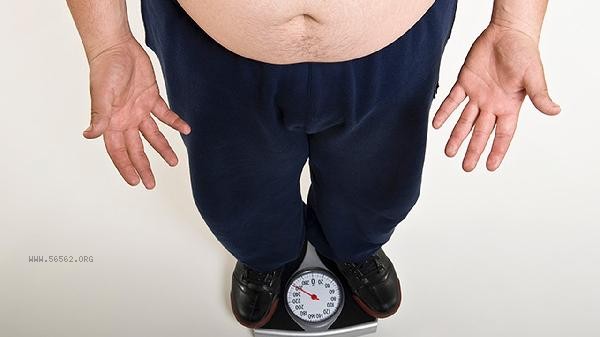
1. Imbalance in dietary structure
Sudden reduction in food intake or long-term single diet can lead to insufficient dietary fiber and water, abnormal acceleration of intestinal peristalsis, and trigger diarrhea. It is recommended to gradually adjust the diet structure, increase easily digestible foods such as oats and pumpkins, and avoid raw and cold stimuli. If accompanied by fatigue, medication such as montmorillonite powder, Bifidobacterium triple active bacteria capsules, and oral rehydration salt III can be used to assist in relieving symptoms according to medical advice.
2. Disruption of gut microbiota
Insufficient intake of protein and prebiotics during dieting may disrupt the balance of gut microbiota, leading to bloating and watery stools. Moderate consumption of sugar free yogurt, fermented soy products, or following medical advice to take live capsules of Bacillus licheniformis and live tablets of Clostridium butyricum to regulate the microbiota. Avoid drinking weight loss drinks containing sugar substitutes on an empty stomach to worsen symptoms.
3. Weakened gastrointestinal function
Long term low calorie diet can reduce the secretion ability of digestive enzymes in the gastrointestinal tract, leading to the stimulation of intestinal mucosa by incompletely digested food. Manifested as abdominal pain before defecation and undigested residue in feces. It is necessary to stop extreme dieting, choose low-fat soft foods such as millet porridge and tender tofu, and use compound digestive enzyme capsules and pancreatin enteric coated capsules under the guidance of doctors when necessary to improve digestive function.
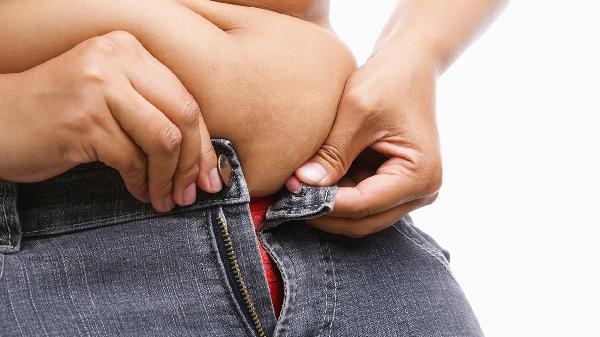
4. Food intolerance
Some individuals who consume large amounts of meal replacement powders, whole grains, etc. during dieting may develop lactose or gluten intolerance, resulting in mucus accompanied by bowel sounds. It is recommended to keep a diet diary to check for allergens and replace them with low sensitivity foods such as quinoa and taro. If the symptoms persist, it is necessary to seek medical attention for allergen testing. The doctor may prescribe symptomatic drugs such as racemic carbidotrile granules and montmorillonite suspension.
5. Chronic enteritis
Long term malnutrition may reduce intestinal immunity, induce acute attacks of chronic enteritis, and result in purulent and bloody stools accompanied by low-grade fever. Immediately stop dieting and seek medical attention. After being diagnosed through colonoscopy, the doctor may prescribe mesalazine enteric coated tablets, Bacillus subtilis bifidobacterium granules combined with montmorillonite powder for treatment. During the recovery period, it is necessary to ensure high-quality protein intake.
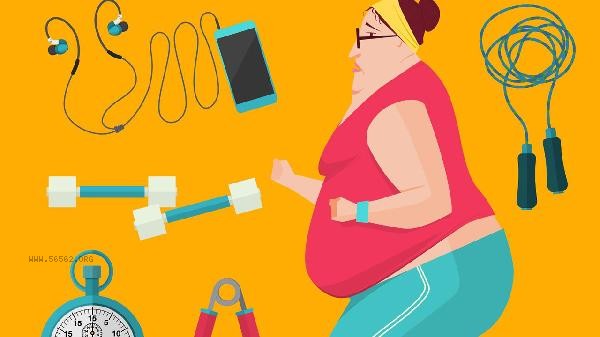
If diarrhea occurs during dieting, priority should be given to restoring a balanced diet, with a daily intake of 1500-2000 milliliters of warm water, and cooking methods mainly using steaming and boiling. Moderate supplementation of potassium rich foods such as bananas and apples can prevent electrolyte imbalance and prevent severe exercise from exacerbating dehydration. If there is no relief after adjusting the diet for 3 days, or if there is fever, bloody stool, etc., it is necessary to seek medical attention immediately at the gastroenterology department. It is forbidden to take antidiarrheal drugs for a long time on one's own to cover up the condition. It is recommended to develop a gradual calorie control plan under the guidance of a nutritionist for weight management, with a recommended weight loss of no more than 1 kilogram per week.








Comments (0)
Leave a Comment
No comments yet
Be the first to share your thoughts!