
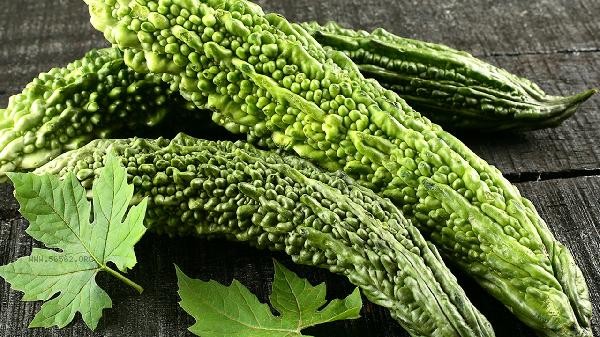
The pesticides that may be used during the cultivation of bitter gourd mainly include insecticides, fungicides, herbicides, etc. The specific use must comply with the national pesticide residue standards. Bitter gourd, as a common vegetable, requires adherence to safety interval regulations for pesticide use to ensure safe consumption.
1. Insecticides
Bitter gourd is susceptible to invasion by pests such as fruit flies and aphids, and low toxicity insecticides such as imidacloprid and avermectin may be used. These pesticides can effectively prevent and control pests, but it is important to stop using them before harvesting to avoid residues. Farmers should choose registered pesticide varieties and strictly control their usage.
2. Fungicides
For fungal diseases such as powdery mildew and downy mildew, fungicides such as mancozeb and azoxystrobin may be used. When using, alternate medication to prevent drug resistance, and pay attention to weather conditions to choose the appropriate time for application. Special attention should be paid to ventilation and moisture reduction in greenhouse planting to reduce the occurrence of diseases.
3. The herbicide
may be used for soil sealing treatment before seedling emergence, and selective herbicides such as quinoxaline can be selected during the growth period. The use of herbicides should avoid high temperature periods to prevent phytotoxicity. Manual weeding is still an important auxiliary method to ensure the quality of bitter gourd.
4. Growth regulators
Some regions may use plant growth regulators such as gibberellin to promote fruit setting, but they must be strictly used according to the recommended concentration. Excessive use may lead to fruit deformities and affect marketability. Ecological planting advocates natural regulation of plant growth through water and fertilizer management.
5. Biopesticides
Biological pesticides such as Bacillus thuringiensis and matrine are gradually being applied in bitter melon cultivation, which are environmentally friendly and have low residual risks. By implementing physical control measures such as insect nets and yellow boards, the use of chemical pesticides can be effectively reduced. The organic planting system relies entirely on biological and agricultural control.
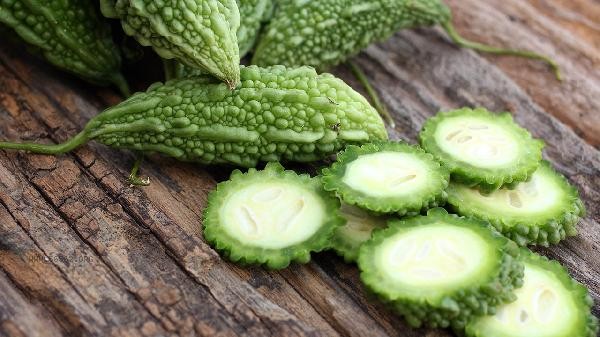
When purchasing bitter gourd, choose products with no abnormal spots on the surface and a fresh odor. Rinse and soak with running water before cooking to further reduce the risk of pesticide residues. Suggest diversifying the intake of vegetables and fruits to avoid excessive consumption of a single variety. Support the adoption of ecological planting methods for agricultural products and promote sustainable agricultural development. Consumers can purchase bitter melon products that have passed testing through legitimate channels to ensure food safety.








Comments (0)
Leave a Comment
No comments yet
Be the first to share your thoughts!