
Huangcai is usually consumed from its flower bud parts, which can be eaten fresh or dried. Huangcai is rich in vitamin A, dietary fiber, and various minerals, and has the effects of clearing heat and dampness, calming the mind, and aiding sleep. When consuming, it is important to blanch thoroughly to remove colchicine and avoid the risk of poisoning.
1. Nutritional Value of Flower Buds
Flower buds of yellow flowers contain abundant vitamin A, which can be converted into retinol in the body and help maintain normal visual function. Its dietary fiber content is high, which can promote gastrointestinal peristalsis and improve constipation problems. The mineral content such as calcium and iron in flower buds is also prominent, which is helpful for bone health and hematopoietic function. Fresh flower buds need to be thoroughly blanched to destroy colchicine, while dried products need to be fully soaked before cooking.
II. Potential risks of rhizomes
The rhizomes of daylily contain higher concentrations of colchicine toxin, which is difficult to completely decompose even after high-temperature treatment. Ingestion may cause toxic symptoms such as nausea, vomiting, and diarrhea. Some folk remedies in certain regions use processed roots and stems as medicine, but it is not recommended to try ordinary home cooking. The lignified fibers in the roots and stems are also difficult to digest and absorb by the human body, resulting in a rough and unpleasant taste.
III. Dietary restrictions on leaves
Although yellow cauliflower leaves contain a small amount of protein and chlorophyll, they also contain alkaloids and have a hard fiber texture. In some areas, tender leaves will be blanched and cold mixed, but the amount consumed must be strictly controlled. The oxalic acid content in leaves is relatively high, and long-term consumption in large quantities may affect calcium absorption. People with renal insufficiency should avoid consuming leaf parts.
4. Key points for handling stamens
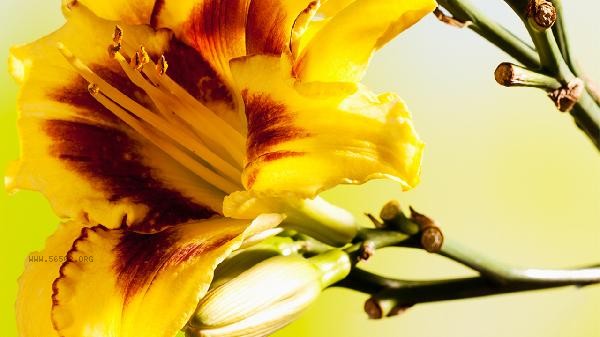
The stamen in the center of the flower bud contains a lot of pollen in a fresh state, which may cause allergic reactions. It is recommended to remove it and cook it. The stamens of dried daylily usually have fallen off, but they still need to be carefully cleaned after soaking. The bitter substances in the stamen area are more concentrated, and removing them can enhance the taste of dishes and retain more fresh and sweet flavors.
V. Differences in Medicinal Use of Different Parts
In traditional medicine, flower buds are mainly used to calm the mind and relieve depression, and the amount of dried products is generally 10-15 grams. After professional processing, rhizomes can be used for reducing swelling and dispersing nodules, but they are highly toxic and must be strictly followed according to medical advice. External application of leaves can assist in the treatment of skin inflammation, while internal administration requires careful compatibility. Modern research has confirmed that the extract of flower buds has antioxidant and anti-inflammatory effects, and is the main effective part for both medicine and food.
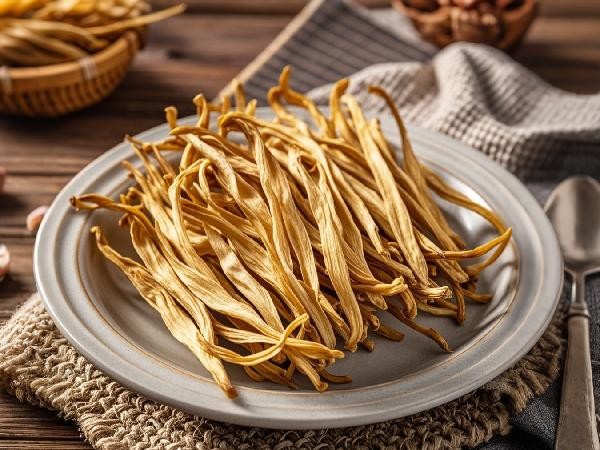
As a seasonal ingredient, it is recommended to choose high-quality products with full flower buds and golden color. Fresh yellow cauliflower should be consumed on the same day, blanched and cooled to maintain a crispy and tender taste. Dried products should be sealed and stored away from light, with a soaking time controlled at around 2 hours. Pairing with ingredients such as black fungus and eggs can increase the absorption rate of iron, but excessive consumption is not recommended for those with spleen and stomach deficiency and cold. If discomfort symptoms such as dizziness and abdominal pain occur, immediately stop eating and seek medical attention.








Comments (0)
Leave a Comment
No comments yet
Be the first to share your thoughts!