
The ripening season of pomegranate is generally from September to November, and the specific time is affected by factors such as variety differences, climate of planting areas, cultivation management, fruit maturity judgment standards, and market demand. Pomegranate belongs to the autumn fruit category, and most production areas in the northern hemisphere enter the harvest period in September. Early maturing varieties such as Tunisian soft seed pomegranate may be available in late August, while late maturing varieties can continue until early December. Due to the large temperature difference between day and night in major production areas such as Xinjiang and Sichuan in China, fruit sugar accumulation is sufficient, and the ripening period is concentrated around October. Due to higher temperatures in the southern region, some varieties may mature 1-2 weeks earlier. The key indicators for judging the maturity of pomegranate include the color of the fruit skin turning deep red or yellow, the prominent protrusion of the fruit edges, and the cracking of the fruit top.
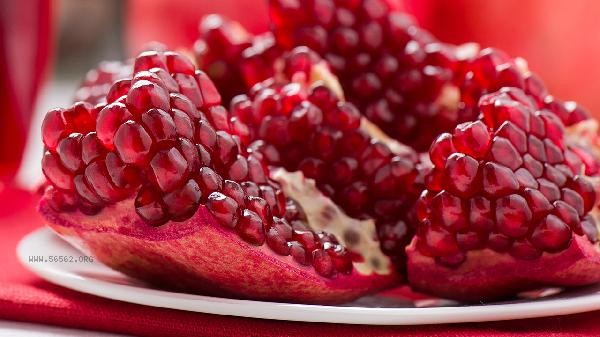
Some tropical regions can achieve year-round results through artificial regulation, such as the Yuanjiang area in Yunnan province, which takes advantage of its three-dimensional climate and has pomegranates on the market from June to January of the following year. Greenhouse planting technology can also extend the supply period, but naturally matured open-air pomegranates have a better flavor. Consumers should be aware that pomegranates harvested too early have a strong sour and astringent taste, while overripe fruits are prone to decay and deterioration. Pomegranate is rich in antioxidants such as vitamin C, anthocyanins, and tannic acid. It is recommended to choose fresh fruits of the season. When stored, it can be placed in a cool and ventilated place. Pomegranates that are intact and undamaged can be stored at room temperature for 2-3 weeks. When consumed, pairing yogurt or nuts can increase nutrient absorption rate. People with weak gastrointestinal function should avoid consuming large amounts of fruit pulp and seeds on an empty stomach.








Comments (0)
Leave a Comment
No comments yet
Be the first to share your thoughts!