
Rapid weight loss can be achieved through adjusting dietary structure, increasing exercise, behavioral intervention, medication treatment, surgical treatment, and other methods. The speed of weight loss varies from person to person, and excessive pursuit of speed may harm health.
1. Adjust dietary structure
Reduce intake of high calorie foods, increase the proportion of vegetables, fruits, and high-quality protein. Adopt a low glycemic index diet and avoid refined carbohydrates. Control daily total calorie intake, but ensure basic nutritional requirements. Three meals a day are scheduled and quantified to avoid overeating. Intermittent fasting can be used appropriately, but it should not be sustained for a long time.
2. Increase physical activity
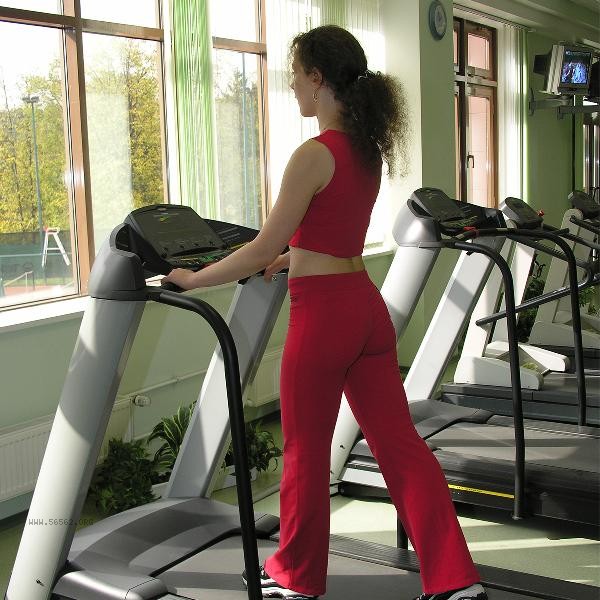
Aerobic exercises such as brisk walking, swimming, cycling, etc. can effectively burn calories. Engage in at least 150 minutes of moderate intensity exercise or 75 minutes of high-intensity exercise per week. Combining resistance training can increase muscle mass and improve basal metabolic rate. Exercise should be gradual and avoid injuries caused by sudden intense exercise. Maintain daily activity levels, such as walking more and sitting less.
3. Behavioral Intervention
Record diet and exercise habits, and establish healthy living habits. Improve sleep quality and ensure 7-8 hours of sleep per day. Manage stress and avoid emotional eating. Seek professional guidance or join a weight loss group for support. Change the sedentary lifestyle and increase opportunities for daily activities.

4. Medication therapy
Under the guidance of a doctor, drugs such as Orlistat capsules can be used to inhibit fat absorption. Liraglutide injection can regulate the appetite center and reduce food intake. Strictly follow medical advice and monitor for adverse reactions when using medication. Drug therapy is usually used as an adjunct to dietary and exercise interventions. Do not purchase or use weight loss medication on your own.
5. Surgical treatment
For severely obese patients, weight loss surgery such as gastric sleeve resection may be considered. A comprehensive assessment of physical condition and surgical indications is required before surgery. Long term follow-up is required after surgery to supplement necessary nutrients. Surgery carries certain risks and requires careful selection. After surgery, it is still necessary to maintain healthy eating and exercise habits.

Weight loss should be gradual, with a recommended weight loss of 0.5-1 kilogram per week. Rapid weight loss may lead to muscle loss, metabolic disorders, and other issues. Establishing a sustainable and healthy lifestyle is more important than short-term weight loss. During weight loss, sufficient water intake and balanced nutrition should be ensured. If discomfort symptoms such as dizziness and fatigue occur, seek medical attention promptly. Regularly monitor weight changes and physical indicators, and adjust weight loss plans. Maintain a positive attitude and avoid giving up due to weight fluctuations.








Comments (0)
Leave a Comment
No comments yet
Be the first to share your thoughts!