
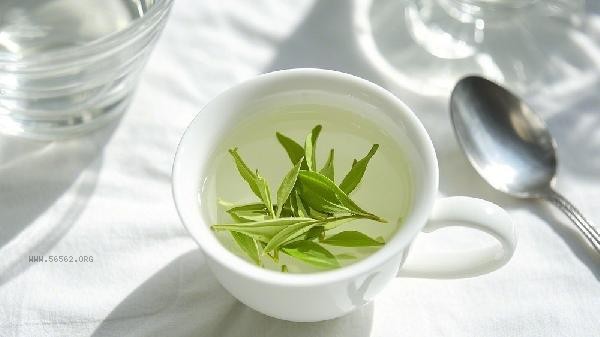
Tea stains can be cleaned with methods such as white vinegar, baking soda, citric acid, salt, toothpaste, etc. Tea stains are mainly formed by the oxidation and deposition of tea polyphenols, and long-term accumulation may affect aesthetics and bacterial growth.
1. White vinegar
The acetic acid in white vinegar can dissolve the calcium and magnesium deposits in tea leaves. Mix white vinegar and water in proportion and soak the tea set. Stubborn tea stains can be enhanced by heating vinegar water. Ceramic and glass materials are suitable, and silverware should be used with caution to avoid corrosion.
2. Baking soda
Baking soda decomposes tea stains through weak alkaline reactions. Directly sprinkle powder to scrub or mix into a paste to cover tea stains, suitable for stainless steel and plastic products. After cleaning, it is necessary to thoroughly rinse to avoid residue, which is also safe and effective for glazed porcelain.
3. Citric acid
Citric acid can undergo chelation reaction with tea leaves. Soaking tea utensils in citric acid powder dissolved in hot water is particularly suitable for removing tea stains from narrow crevices such as the spout. Natural ingredients do not damage utensils, but aluminum utensils should not be in prolonged contact.
4. Salt
The particles of salt have a physical frictional effect. Combined with sponge scrubbing, new tea stains can be removed, and coarse salt has a better effect. Suitable for ceramics and glass cups, pay attention to controlling the force during cleaning to avoid scratching the surface.
5. Toothpaste
Toothpaste contains friction agents and surfactants. Squeeze an appropriate amount of toothpaste and rub it in circles with a soft cloth to remove stubborn stains on glazed tea sets. Mint ingredients can also eliminate odors, and after cleaning, it needs to be rinsed multiple times to remove mint residues.
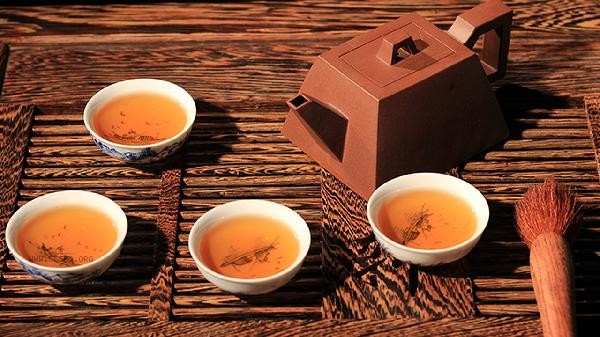
Rinsing tea utensils in a timely manner after daily use can prevent the accumulation of tea stains, and deep cleaning once a week can maintain the hygiene of the utensils. Corresponding methods should be used for different materials to avoid scratching with hard objects such as steel wire balls. Special materials such as purple clay teapots are recommended to be cleaned with specialized tools. For heavy tea stains that have not been cleaned for a long time, multiple methods can be tried to be used alternately. Pay attention to ventilation during cleaning, as some chemicals may irritate the respiratory tract.








Comments (0)
Leave a Comment
No comments yet
Be the first to share your thoughts!