
The fastest way to lose weight usually requires a combination of dietary control, exercise intervention, and lifestyle adjustments, mainly including strict calorie restriction, high-intensity interval training, short-term extremely low calorie diet, medication assisted therapy, metabolic surgery, and other methods. However, rapid weight loss may come with health risks and should be carried out under professional guidance.

1. Strictly limit calorie intake
A low calorie diet with a daily calorie intake of 800-1200 calories can help reduce weight in the short term, and it is necessary to ensure sufficient protein and micronutrients. Use meal replacement powder or specific recipes to replace some of the main meals, combined with vitamin supplements. May cause discomfort such as fatigue and dizziness, not suitable for long-term use.
2. High intensity interval training
Perform HIIT training 4-5 times a week for 20-30 minutes each time. By alternating short-term high-intensity exercise and rest, it can quickly burn fat and increase metabolic rate. Suitable for individuals with good cardiovascular function, sufficient warm-up and stretching before and after exercise are necessary to avoid sports injuries.
3. Short term extremely low calorie diet
Implement a daily extremely low calorie diet plan of 400-800 calories under the supervision of a doctor, usually lasting for 2-3 months. Regular monitoring of electrolytes and liver and kidney function may result in side effects such as hair loss and constipation. After completion, it is necessary to gradually transition to a normal diet to prevent weight rebound.

4. Medication assisted therapy
Orlistat capsules reduce fat absorption by inhibiting lipase, while liraglutide injection can delay gastric emptying and increase satiety. Strict adherence to medical advice is required, as adverse reactions such as gastrointestinal discomfort may occur. It is not recommended to purchase weight loss medication on your own.
5. Metabolic surgery
Sleeve gastrectomy and gastric bypass surgery achieve rapid weight loss by changing the structure of the digestive tract, and are suitable for severely obese patients. A comprehensive assessment of surgical risks is required, and long-term supplementation of nutrients and changes in dietary habits are necessary after surgery, which may lead to complications such as dumping syndrome.
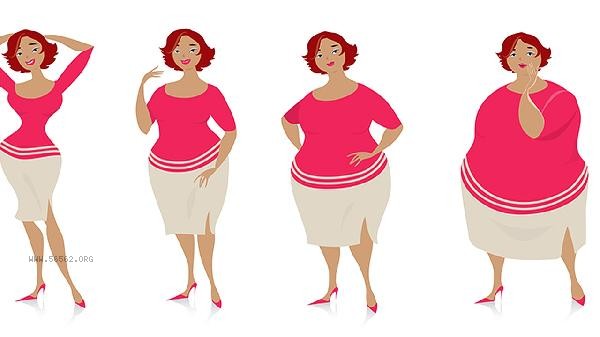
Rapid weight loss methods should be selected based on individual health conditions, and it is recommended to develop a plan under the guidance of nutritionists and doctors. After losing weight, it is necessary to establish long-term healthy eating and exercise habits to avoid weight rebound. Weight loss should not exceed 1-2 kilograms per week, as excessive pursuit of speed may lead to metabolic disorders, malnutrition, and other problems. Maintaining a regular daily routine and sufficient sleep can help maintain weight loss effects. When encountering a plateau period, one can adjust their exercise routine and dietary structure.








Comments (0)
Leave a Comment
No comments yet
Be the first to share your thoughts!