
Soy sauce itself does not cause cancer, but improper production or storage may produce carcinogens. The safety of soy sauce is mainly related to the production process, raw material quality, and storage conditions. Attention should be paid to issues such as excessive caramel coloring, mold contamination, and excessive 3-chloropropanediol.
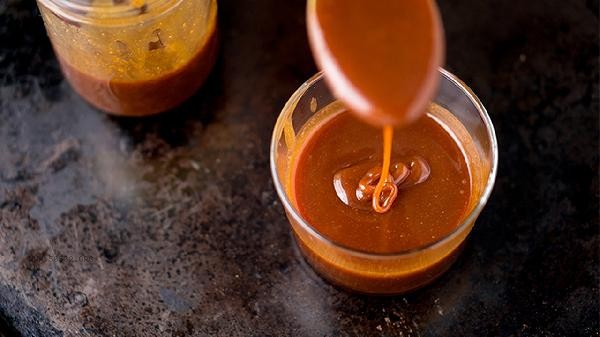
Traditional soy sauce is made from soybeans and wheat through microbial fermentation, and does not produce carcinogens during the process. But some low-priced soy sauce may use acid hydrolysis process, which may produce trace amounts of 3-chloropropanediol, and long-term excessive intake may increase health risks. Qualified products produced by legitimate manufacturers will strictly control the content of this substance and comply with national standards. If soy sauce is not stored properly after opening, it may breed mold and produce aflatoxin. This toxin is classified as a carcinogen by the World Health Organization. It is recommended to choose products packaged in glass bottles with new production dates, store them in refrigeration after opening, and use them up within three months. Soy sauce with abnormally dark color or peculiar odor should be stopped from consumption.
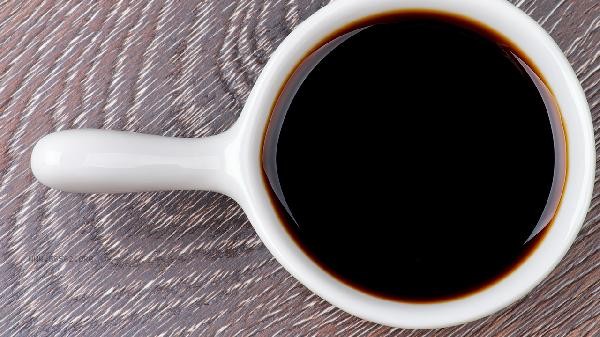
When purchasing soy sauce in daily life, one should identify the brewing soy sauce label and check whether the ingredient list contains additives such as caramel coloring. High quality soy sauce is reddish brown, shiny, and foam is fine and durable when shaking. Control daily intake within 15 milliliters, and hypertensive patients need to reduce their intake even more. Reasonable use of soy sauce will not cause cancer, but it is necessary to avoid high temperature and prolonged cooking to prevent nutrient damage.








Comments (0)
Leave a Comment
No comments yet
Be the first to share your thoughts!