
The delicious, fragrant and sticky rice for cooking Congee mainly includes japonica rice, glutinous rice, pearl rice, northeast rice and Thai fragrant rice. These rice varieties have high starch content and soft texture, making them suitable for long-term boiling.
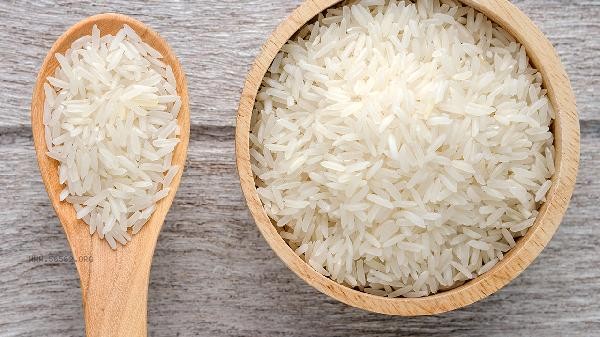
1. Japonica rice
The grains of japonica rice are short and round, the starch content is moderate, and the taste of Congee is dense. The branched starch in japonica rice will fully gelatinize during the boiling process, forming a uniform viscous texture. When selecting fresh japonica rice, the rice grains are translucent, and the cooked Congee has natural rice flavor, which is suitable for matching with pumpkin, yam and other ingredients.
2. Glutinous rice
Glutinous rice contains a lot of amylopectin, which will produce strong stickiness when cooking Congee. It is easy to make Congee with pure glutinous rice too sticky. It is recommended to mix it with japonica rice in a ratio of 1:3. Glutinous rice Congee will form jelly after cooling, which is suitable for making dessert base. However, those with weak gastrointestinal function should control the consumption.
3. Pearl rice
Pearl rice belongs to short grain rice, with a tightly packed starch structure in the rice core. When cooking, the rice grains will gradually expand and break, releasing starch to make Congee thick. This kind of rice is suitable for slow stewing in a casserole over low heat. The surface of the cooked Congee will form a layer of rice oil with strong aroma. Be careful not to rub excessively during washing, and preserve the surface nutrients.

4. Northeastern rice
Northeastern rice has a long growth period and accumulates more amylose. When cooking Congee, the rice soup will gradually become oily, and the surface will form a film after cooling. The effect of cooking Congee with fresh rice in the season is better, and the cooking time can be shortened by soaking 30 minutes in advance. Northeast rice Congee is suitable for matching with pickles, Fermented bean curd and other snacks.
5. Thai fragrant rice
Thai fragrant rice contains special aromatic substances. When cooking Congee, it will emit a fragrance similar to fragrant orchid leaves. This type of rice requires water control, with a ratio of 1:8 between rice and water. After boiling, reduce the heat to maintain a slight boiling state. Thai fragrant rice Congee is suitable for breakfast. Coconut milk can be added to improve the flavor, but diabetes patients need to pay attention to sugar intake.
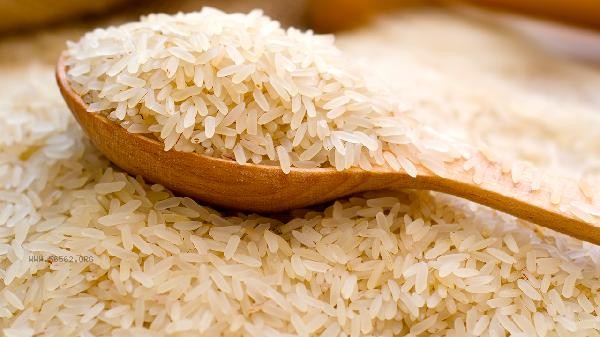
When cooking Congee, it is recommended to use fresh seasonal products and wash them no more than twice to retain nutrients. Soaking for 30 minutes in advance can shorten the boiling time, and turning to low heat and simmering slowly after the water boils can fully gelatinize the starch. According to personal taste, a small amount of cooking oil can be added to enhance smoothness, and using a clay pot or thick bottomed pot can better lock in the aroma. The proportion of glutinous rice should be controlled in patients with gastrointestinal hypersensitivity, and patients with diabetes should pay attention to the glycemic index of Congee. It is recommended to eat the cooked Congee while it is hot. Repeated heating will affect the taste and nutritional value.








Comments (0)
Leave a Comment
No comments yet
Be the first to share your thoughts!