
Fruit preservation does not require the use of liquid medicine, and can be effectively extended through physical methods or natural ingredients. Fruit decay is mainly caused by microbial growth, oxidation reactions, or water loss. Common preservation methods include low-temperature refrigeration, humidity control, and oxygen isolation.
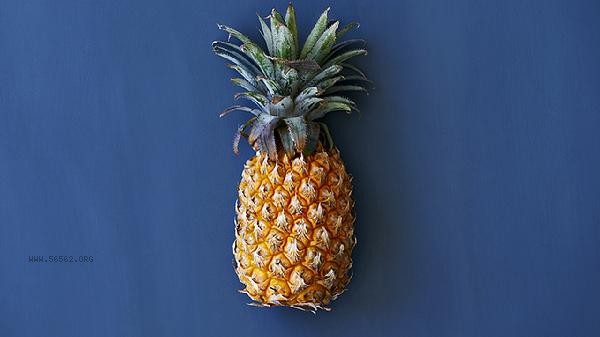
1. Low temperature refrigeration
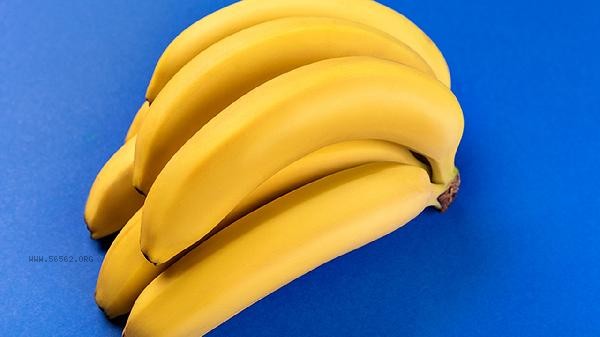
Placing fruits in the refrigerator compartment can significantly slow down the growth rate of microorganisms. Apples, grapes and other storage resistant fruits can be stored for a long time at 4 degrees Celsius, while tropical fruits such as bananas and mangoes need to be stored at room temperature and away from light to avoid cold damage. It is recommended to wrap it in a breathable fresh-keeping bag during refrigeration to prevent moisture from condensing and accelerating spoilage.
2. Modified Atmosphere Packaging
suppresses fruit respiration by adjusting the ratio of oxygen to carbon dioxide inside the packaging. Commercial fresh-keeping commonly uses nitrogen filled packaging, and households can store perishable berries such as strawberries and blueberries in sealed boxes, with food grade deoxidizers added. Attention should be paid to regularly opening the box for ventilation to avoid the growth of anaerobic bacteria.
3. Surface coating
The micro film formed by beeswax or edible chitosan can reduce water evaporation and oxygen contact. Citrus fruits have a natural waxy layer on their skin, and artificial coating can extend their shelf life. When operating, food grade materials that meet national standards should be selected to avoid non food additives such as industrial paraffin.
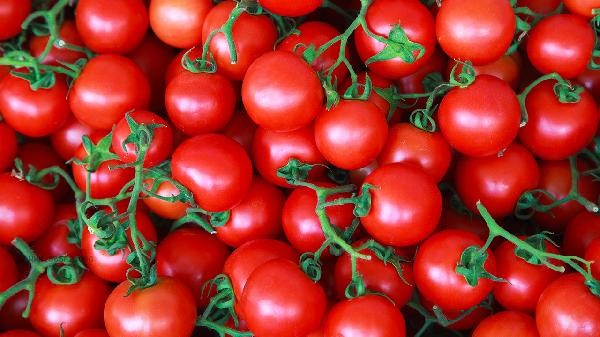
4. Ethylene Control
Ethylene gas released from fruits such as apples and pears can accelerate the decay of surrounding fruits and vegetables. Ethylene sensitive fruits such as kiwi and broccoli can be separated from high ethylene fruits, or ethylene absorbents containing potassium permanganate can be used. Commercial cold storage facilities are often equipped with ethylene decomposition equipment. Drying treatment is an effective way to produce dried fruits for long-term preservation. Drying, oven drying, or freeze-drying can remove moisture and inhibit microorganisms, while retaining some nutrients. Dried mangoes, dried longans, etc. should be processed at a temperature not exceeding 60 degrees Celsius to avoid excessive loss of vitamin C. Confirm that there is no mold before consumption.
For daily storage of fruits, priority should be given to intact and undamaged fruits, and rotten parts should be removed to avoid cross contamination. Litchi, longan and other shelled fruits can retain their outer skin to delay oxidation. Cut fruits should be covered with plastic wrap and refrigerated before consumption as soon as possible. Avoid using illegal additives such as formaldehyde and sulfite, as these substances may contain residual heavy metals or trigger allergic reactions. If abnormal luster or pungent odor is found on the surface of the fruit, it is recommended to stop eating.








Comments (0)
Leave a Comment
No comments yet
Be the first to share your thoughts!