
The white rice in rice is refined white rice that has been ground to remove bran and germ, mainly composed of starch and a small amount of protein. Refined white rice loses some vitamins and dietary fiber during processing, but it can still provide energy as a staple food.
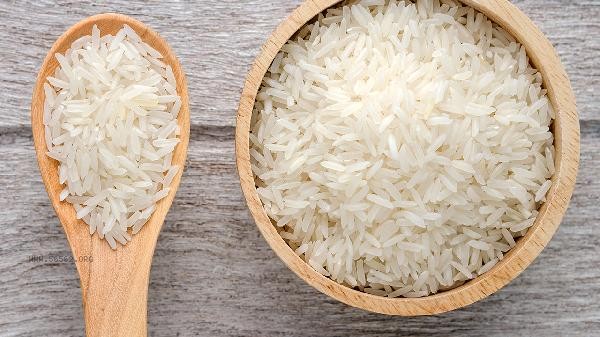
Refined white rice is a finished product obtained by processing rice grains through multiple processes such as hulling and grinding. The outer layer of bran and nutrient rich germ are removed, resulting in a white color. This processing method makes rice taste finer and easier to preserve, but it reduces the content of nutrients such as vitamin B and minerals. Refined white rice has a high starch content, which is converted into glucose after entering the human body, making it suitable as a fast energy source. However, if the glycemic index is high, it should be consumed together with dietary fiber. Some special varieties of rice, such as germ rice, retain light yellow germ, which has higher nutritional value than ordinary polished rice. Brown rice retains the bran and germ completely, with a brownish color and rough texture, and contains richer nutrients such as vitamin B1 and magnesium. White rice may develop rice worms during long-term storage and should be sealed and stored in a cool and dry place. If clumping or mold is found, consumption should be stopped.
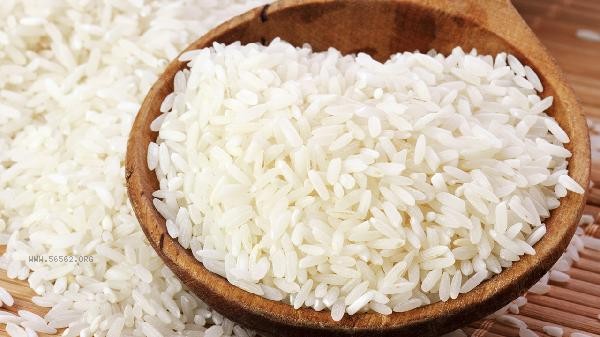
It is recommended to consume refined white rice alternately with brown rice and miscellaneous grains to balance nutrition. Thoroughly washing before cooking can remove surface impurities, but the washing frequency should not be too many to avoid the loss of water-soluble vitamins. Diabetes patients or people with weight control can appropriately reduce the proportion of refined white rice intake, with vegetables and high-quality protein food to delay the rise of blood sugar. Pay attention to moisture and insect prevention during storage, and try to consume within three months after opening.








Comments (0)
Leave a Comment
No comments yet
Be the first to share your thoughts!