
The wax on apples is usually fruit wax or artificial edible wax, which is a safe and edible coating. Fruit wax mainly includes natural fruit wax, insect glue wax, palm wax, etc., which are used for preservation and enhancing appearance.
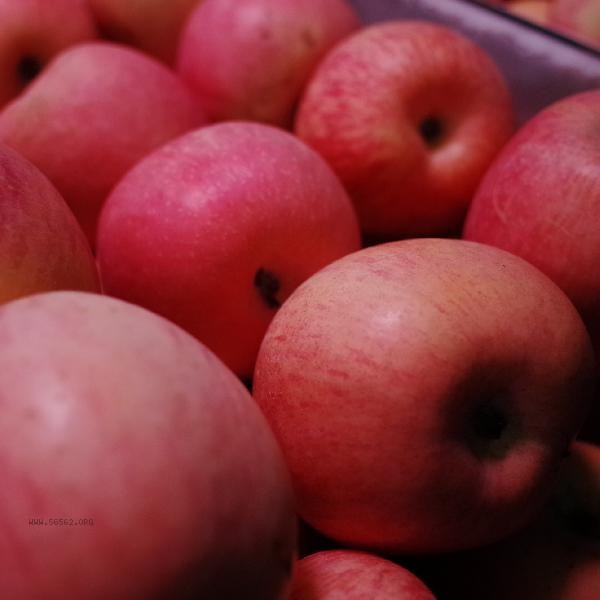
1. Natural Fruit Wax
The natural fruit wax secreted by apples themselves is a plant protective layer, mainly composed of lipid substances, which can reduce water evaporation and microbial invasion. This wax does not need to be removed, is harmless to the human body, and is rich in plant nutrients. When cleaning, gently rub it with running water.
2. Cordyceps wax
is a natural wax extracted from the secretion of the purple glue insect, commonly used for waxing imported fruits. Cordyceps wax has film-forming properties and glossiness, which can extend the shelf life. Safe for most people, but a very small number of people with allergies may experience mild gastrointestinal reactions. It is recommended to peel and consume.
3. Palm wax
is a plant-based edible wax extracted from palm leaves, which has good waterproof properties. Our country allows it to be used for fruit surface treatment, and its melting point is higher than body temperature and will not be absorbed. Rinse with warm water before consumption to remove most of the surface wax, without affecting the nutritional value of apples.
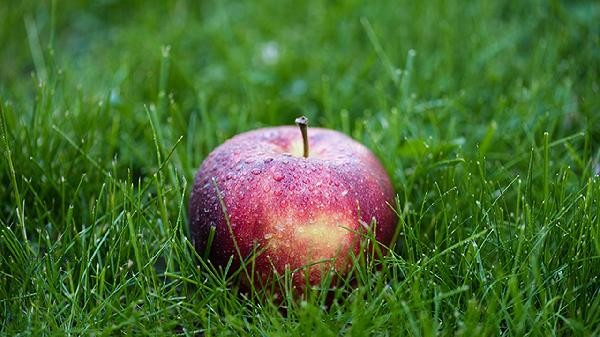
4. Polyethylene wax
is a synthetic polymer wax commonly used for industrial grade fruit preservation. Although it meets the standards for food additives, long-term intake may increase metabolic burden. Choosing apples with matte and non greasy skin when purchasing can reduce the probability of contact.
5. Beeswax
is a natural wax secreted by bees and occasionally used for organic apple preservation. Containing a small amount of pollen may cause allergies, but the residual amount after normal cleaning is extremely low. Choosing certified organic products can avoid contact with synthetic wax.

When consuming waxed apples in daily life, it is recommended to clean them with warm water below 50 ℃ and a soft bristled brush to effectively remove surface wax and retain nutrients. Avoid using detergents or salt particles to scrub, as they may damage the skin fibers. For wax sensitive individuals or children, peeling is recommended, but attention should be paid to the loss of dietary fiber and anthocyanins in the skin. Keep dry and ventilated during storage, as high temperatures may cause wax to melt and seep into the flesh. Choosing local apples for the current season usually involves less waxing and higher freshness.








Comments (0)
Leave a Comment
No comments yet
Be the first to share your thoughts!