
Specially small mung beans usually belong to small grain mung bean varieties, mainly including Northeast mung beans, Yunnan mung beans, Hebei mung beans, Shaanxi mung beans, Shandong mung beans, etc. This kind of mungbean is small in size but rich in nutrition, suitable for cooking Congee or making bean paste.
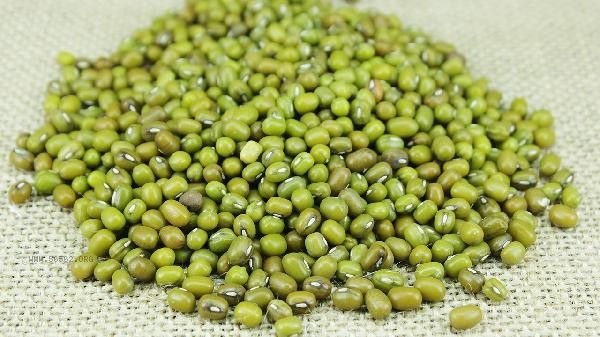
1. Northeast mung beans
Northeast mung beans have plump granules and thin skin. Due to their long growth cycle and large temperature difference between day and night, they have a high starch content. After cooking, the taste is dense, suitable for making traditional Bean paste cake or summer summer soup. Its protein to dietary fiber ratio is balanced, which helps promote gastrointestinal peristalsis.
2. Yunnan mung beans
Due to the characteristics of the plateau climate, Yunnan mung beans have the smallest particles but a green color. Rich in polyphenols and antioxidants, suitable for low-temperature slow cooking to preserve nutrients. It is commonly used locally to make cold dishes or to pair with mixed grain rice, which has a certain auxiliary effect on regulating blood sugar.
3. Small Green Beans from Hebei Province
Small green beans from Hebei production areas are known for their uniform light green color, high sand yield, and easy cooking. Suitable for quick cooking into mung bean soup or desserts, it contains a lot of B vitamins and potassium elements, which can help relieve fatigue. Attention should be paid to avoiding consumption with foods containing tannic acid that may affect absorption.
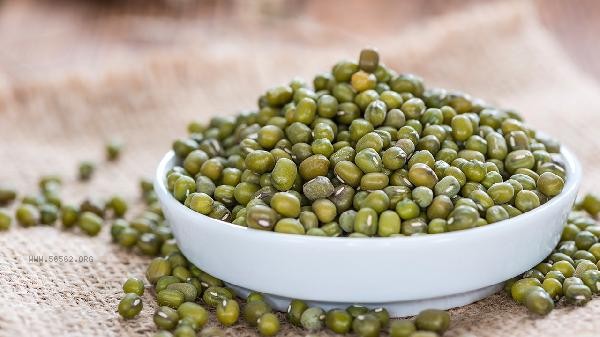
4. Shaanxi mung beans
Shaanxi mung beans are rich in minerals due to the soil characteristics of the Loess Plateau. Although the particles are small, their texture is hard. It is recommended to soak them in advance before stewing. It is often used as the raw material of Tonic Diet. It can enhance the heat clearing effect when paired with lily or lotus seeds. People with spleen and stomach deficiency and cold should control the consumption.
5. Shandong Green Beans
Green beans produced in the coastal areas of Shandong have thin skin and thick flesh, with a slight salty aroma of sea breeze. Suitable for quick stir frying or making mung bean sprouts, with high vitamin C and folate content. It is recommended to shorten the heating time during cooking, as prolonged high-temperature cooking may result in the loss of some water-soluble nutrients.
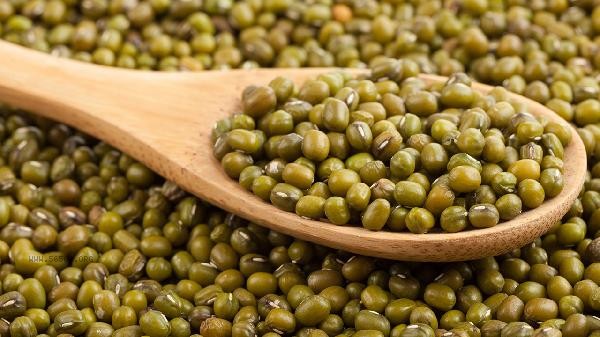
It is recommended to soak small green beans for at least 2 hours before daily consumption, and pairing them with brown rice or millet can improve protein utilization. In summer, refrigerated soaking water can be used to apply to the face, and its flavonoids help soothe the skin after sun exposure. It is recommended for the elderly and children to eat without skin for easier digestion, and gout patients need to control their intake. There are significant differences in the flavor of mung beans from different production areas, and suitable varieties can be selected according to cooking needs.








Comments (0)
Leave a Comment
No comments yet
Be the first to share your thoughts!