
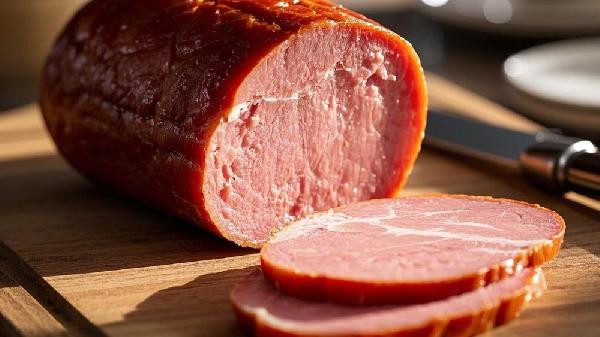
The length of ham sausage is usually between 10 centimeters and 20 centimeters, and the specific length is affected by factors such as product type, production process, and brand standards. The common ham sausages on the market are mostly ready to eat or cooked, and the length design mainly considers the convenience of consumption and packaging specifications. The length of regular ham sausages ranges from 12 centimeters to 15 centimeters, with a diameter of about 2 centimeters to 3 centimeters, and a single piece weighing about 50 grams to 100 grams. The length of some ham sausages may be shortened to around 5 centimeters, making them suitable for children to consume; The large packaged ham sausages used in the catering industry may extend to over 25 centimeters and need to be sliced and processed before consumption. Ham sausages with different meat contents and casing materials may also have differences in length. For example, products with high meat content are often thicker and shorter, while collagen casing products may be slightly longer than natural casing products. Special techniques or regional characteristics of ham sausages may result in abnormal length. Some traditional handmade ham sausages use natural air drying technology, and the length after shrinkage may be less than 10 centimeters; Some Western style sausages need to be cut in sections to maintain their taste integrity, with a single length of over 30 centimeters. Imported ham sausages often have significant differences in length compared to domestic products due to compliance with foreign food standards. Consumers should pay attention to the net content indicated on the packaging when making a purchase, rather than relying solely on the appearance length to determine the actual amount.
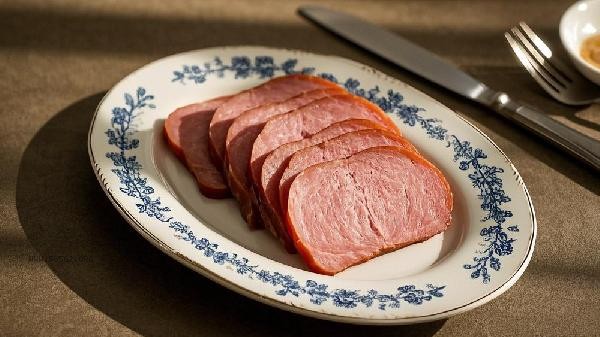
It is recommended to choose the appropriate size of ham sausage according to actual needs, store it refrigerated after opening, and consume it within the shelf life. As a processed meat product, the intake of ham sausage should be controlled, and consuming it with fresh vegetables and fruits is more in line with the principle of dietary balance. When purchasing, priority should be given to products with low sodium and no nitrite addition. hypertensive patients and children should pay more attention to their daily intake.









Comments (0)
Leave a Comment
No comments yet
Be the first to share your thoughts!