
The suitable temperature for blueberry growth is usually between 15-25 degrees Celsius, and high or low temperatures can affect its growth and fruit quality. The temperature requirements of blueberries mainly vary in adaptability during different stages such as germination, flowering, fruit development, maturity, and dormancy.

1. Germination Stage
Blueberries require lower temperature stimulation during the spring germination stage, usually 5-10 degrees Celsius to break dormancy. If encountering sustained low temperatures at this time, germination may be delayed, but a sudden increase in temperature can lead to uneven germination. Northern high bush blueberry varieties are more tolerant to low temperatures than southern rabbit eye blueberries, and some varieties can tolerate short-term low temperatures of minus 15 degrees Celsius.
2. Flowering period
The optimal temperature for blueberry flowering is 18-22 degrees Celsius, and the flowering period lasts for 2-3 weeks. Temperatures below 10 degrees Celsius can inhibit pollen activity, leading to poor pollination; Exceeding 30 degrees Celsius will cause premature aging of flowers. At this time, attention should be paid to preventing the late spring cold, as sudden drops in temperature at night may cause frost damage to flower organs.
3. Fruit development period
The fruit swelling period requires a stable environment of 20-25 degrees Celsius, and maintaining a temperature difference of 8-10 degrees Celsius between day and night is beneficial for sugar accumulation. High temperature and drought can lead to smaller fruits, and prolonged exposure to temperatures exceeding 32 degrees Celsius may cause sunburn. Proper shading and keeping the soil moist can alleviate high temperature stress.
4. Maturation period
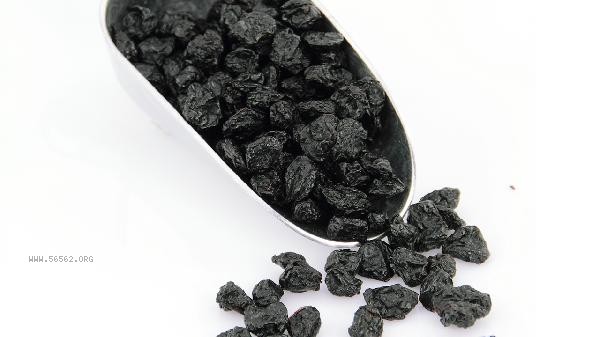
Maintaining a temperature of 18-22 degrees Celsius 2-3 weeks before harvesting can promote anthocyanin synthesis and achieve uniform fruit coloring. A large temperature difference between day and night helps to enhance sweetness and the accumulation of flavor compounds. Excessive rainfall or severe temperature fluctuations may cause fruit cracking, and it is necessary to control irrigation and avoid harvesting during the rainy season.
5. Dormancy Period
Blueberries in winter need to accumulate 400-800 hours of low temperature below 7 degrees Celsius to complete dormancy, and the amount of cold required varies greatly among different varieties. Planting in warm regions requires the selection of low cold varieties, while in northern open field cultivation, attention should be paid to cold prevention, as extreme low temperatures may cause frostbite to branches.
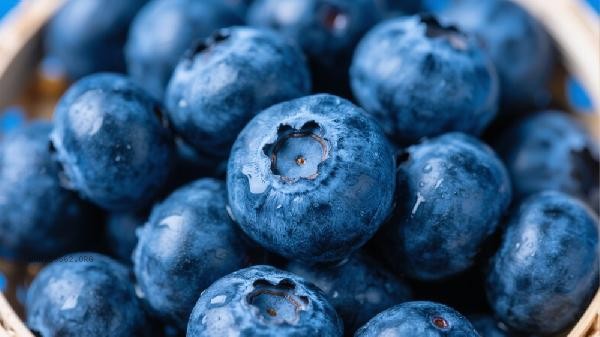
Planting blueberries requires selecting suitable regions based on the characteristics of the variety. Northern high bush blueberries have strong cold resistance but are not tolerant to high temperatures in summer, while southern rabbit eye blueberries have good heat resistance but require low cooling capacity. Greenhouse cultivation can achieve off-season production through environmental regulation, while open field cultivation should pay attention to frost prevention in spring and shading in summer. Maintaining soil acidity and increasing organic matter content can enhance plant stress resistance, while reasonable pruning can improve ventilation and light transmission conditions. Timely pre cooling after fruit harvesting can extend the shelf life, and the transportation process needs to maintain a low temperature environment of 0-4 degrees Celsius.








Comments (0)
Leave a Comment
No comments yet
Be the first to share your thoughts!