
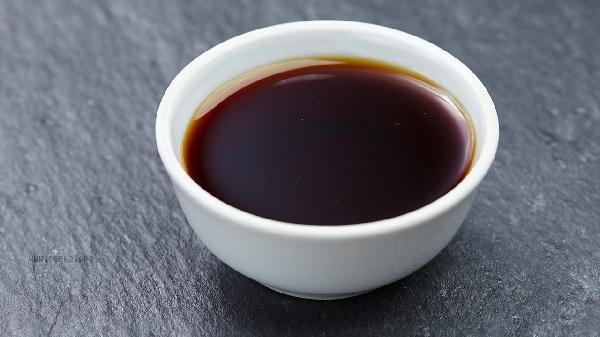
The standards for good soy sauce mainly include high-quality raw materials, traditional brewing techniques, high amino acid nitrogen content, no additives, and natural color. High quality soy sauce is usually made from non genetically modified soybeans and wheat as raw materials. After more than 6 months of natural fermentation, the amino acid nitrogen content exceeds a certain standard, and it does not contain preservatives or artificial colors. It appears reddish brown and shiny.
1. High quality raw materials
Non genetically modified soybeans and wheat are preferred as the basic raw materials for high-quality soy sauce. The protein content of soybeans directly affects the production of umami substances in soy sauce. Traditional brewing requires soybeans to be intact and plump, while wheat needs to be moderately roasted to produce a unique aroma. Some high-end products may add a small amount of black beans or special bacterial strains to enhance the flavor level, and pesticide residues should be avoided during the raw material cultivation process.
2. Traditional Brewing Process
The traditional high salt dilute fermentation process requires a duration of more than 180 days, during which multiple processes such as koji making, fermentation, and pressing are required. Natural sun dew fermentation can fully activate microorganisms and produce richer flavor amino acids. Although modern instant soy sauce has shortened its production cycle to 30 days, the types and contents of flavor compounds are significantly lower than traditional craft products.
III. High content of amino acid nitrogen
Amino acid nitrogen is the core indicator for measuring the quality of soy sauce, and the content of premium soy sauce needs to meet certain standards. This substance is produced by the decomposition of soy protein and directly determines the umami flavor intensity and nutritional value of soy sauce. The higher the value during testing, the more complete the fermentation. Some manufacturers may artificially increase the value by adding monosodium glutamate, which needs to be comprehensively judged in conjunction with other indicators.
4. No additives
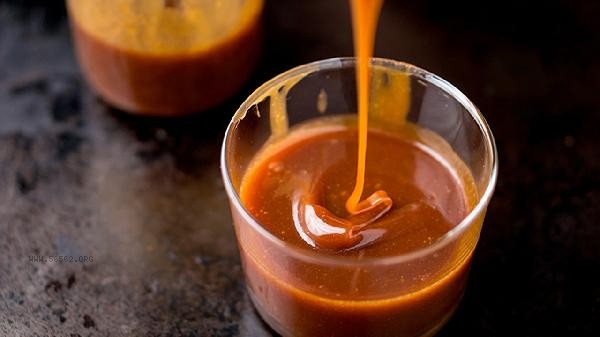
High quality soy sauce should not contain preservatives such as sodium benzoate, artificial colors such as caramel color, as well as sweeteners and thickeners. Some low-priced products may add hydrolyzed plant protein instead of fermentation process, resulting in trace amounts of trichloropropanol. When purchasing, you can check the ingredient list. Pure brewed soy sauce only contains four basic ingredients: water, soybeans, wheat, and salt.
5. Natural Color
Soy sauce formed by normal fermentation appears translucent reddish brown, and wall hanging can be seen when shaking the bottle. Colors that are too dark may add caramel color, while yellowing or turbidity may be due to insufficient fermentation or improper storage. After opening the bottle, the aroma should have a complex aroma of sauce and ester, and inferior products may have a pungent sour or spicy taste.
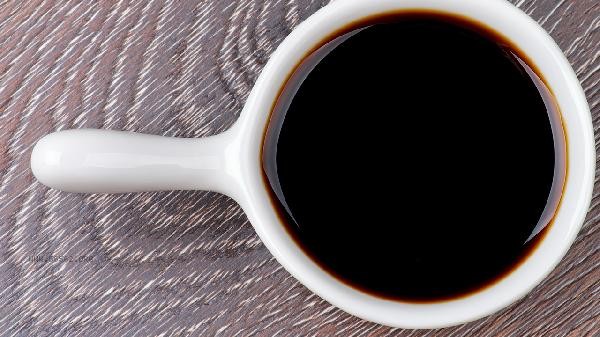
When purchasing soy sauce in daily life, you can observe the product's execution standard number, and the brewing soy sauce label is a certain number. When using, avoid cooking at high temperatures for a long time to avoid damaging the flavor substances. After opening, refrigerate and store for no more than six months. Hypertensive patients should choose the low salt version, and children are recommended to use sodium reducing products. When cooking seafood, pair it with light soy sauce to enhance its freshness, and braised dishes are suitable for coloring with dark soy sauce. Choosing different types of soy sauce based on the characteristics of the dish can better maximize its nutritional value.








Comments (0)
Leave a Comment
No comments yet
Be the first to share your thoughts!