
The shelf life of Pu'er tea is usually 10 to 20 years, and the actual storage time is affected by factors such as storage environment, tea type, packaging method, fermentation degree, and humidity control.
1. Storage Environment
Pu erh tea requires a high storage environment, avoiding light, ventilation, and dryness. The temperature should be maintained between 20 and 25 degrees Celsius to avoid high temperatures accelerating the oxidation of tea leaves. A humid environment can easily lead to mold growth. It is recommended to store in purple clay jars or cardboard boxes and keep away from areas with high humidity such as kitchens and bathrooms. Attention should be paid to preventing excessive dehydration of tea in dry northern regions.
2. Tea Type
There is a significant difference in the shelf life between raw and ripe Pu'er tea. Raw tea is suitable for long-term storage, and its taste becomes richer over time. High quality raw tea can be stored for more than 30 years. Mature tea undergoes artificial pile fermentation, and the optimal drinking period is 5 to 15 years. After the expiration date, the aroma may gradually dissipate. Compared to compressed tea, loose tea is more conducive to long-term preservation.
3. Packaging Method
Pu erh tea packaged in traditional bamboo and bamboo has good breathability, which is beneficial for later conversion. Although modern sealed packaging can prevent moisture, it is not conducive to the activity of microbial communities. Whole unopened tea cakes are more durable for storage than single cakes, and it is recommended to pack them in food grade aluminum foil bags after opening. Tea products from large factories with production dates marked are easier to determine their shelf life.
4. Fermentation degree
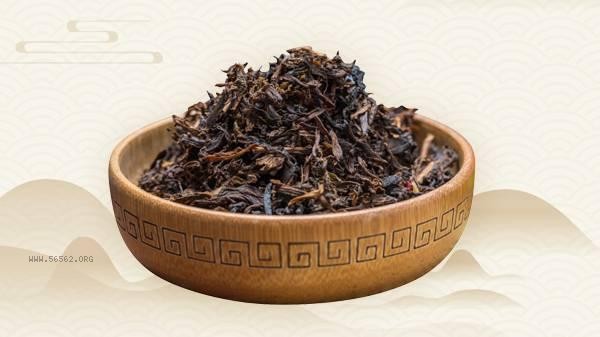
Pu erh tea with mild fermentation contains more active substances and has stronger aging potential. The contents of heavily fermented ripe tea have been fully transformed, and prolonged storage can lead to a decrease in quality. The special category of aged tea heads has a relatively longer shelf life due to their tight clumping and slower aging rate.
5. Humidity Control
The optimal relative humidity control is between 60% and 70%, which can be monitored regularly using a hygrometer. Dehumidifiers are needed to prevent moisture during the rainy season in southern regions, and a small amount of water can be placed to regulate excessive dryness. Check the tea cake quarterly for white frost or mold spots. If there is an oily or sour taste, it indicates deterioration.
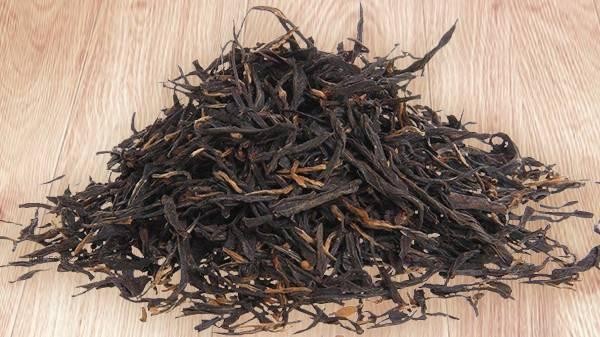
Pu erh tea should be regularly flipped and checked during daily storage, and raw and ripe tea should be stored separately to avoid cross flavors. Before drinking, observe whether the tea soup is transparent. It is normal for aged Pu'er tea to have slight precipitation. If tea leaves show obvious mold, insect infestation, or odor, drinking should be stopped immediately. It is recommended to choose Pu erh tea from different years according to personal taste preferences. New tea is fresh and refreshing, while old tea is mellow and rich. Reasonable storage can maximize the value of tea leaves.








Comments (0)
Leave a Comment
No comments yet
Be the first to share your thoughts!