
The ripening agent released by apples is mainly ethylene, which is a hormone naturally produced by plants. Ethylene plays a key role in the ripening process of fruits, mainly promoting fruit softening, accelerating chlorophyll decomposition, inducing starch conversion into sugar, increasing aromatic substance synthesis, and regulating related enzyme activity. Ethylene is a product of plant metabolism, and apples actively release this gas when they mature, which can also accelerate the ripening of other surrounding fruits. Sometimes external ethylene gas or ethylene releasing agents such as ethephon are used commercially to regulate the ripening speed of fruits, but there is no need to add additional ripening agents when storing apples at home, as the naturally released ethylene is sufficient to affect other fruits. Some ethylene sensitive fruits such as bananas, kiwis, mangoes, etc. are prone to ripening too quickly or even rotting when stored together with apples. If you need to delay ripening, you can separate apples from other fruits or use sealed bags with poor breathability to isolate ethylene diffusion.
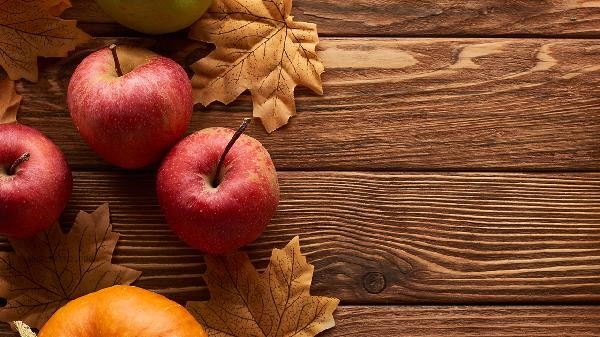
When storing fruits in daily life, it is recommended to classify them according to their maturity and consumption plan. Avoid long-term contact between unripe fruits and apples, and pay attention to observing the condition of the fruits. Consume them promptly or store them in cold storage. For fruits that require ripening, they can be placed in a paper bag with apples for a short period of time to accelerate the ripening process through the natural action of ethylene.








Comments (0)
Leave a Comment
No comments yet
Be the first to share your thoughts!