
The greasy feeling of pork is mainly related to high fat content, improper cooking methods, selection of meat parts, and may also be affected by feed composition or individual digestive function. The greasy feeling of pork first comes from its natural fat structure. The distribution of fat in different parts of pigs varies significantly, with higher intramuscular fat content in pork belly, ribs, and other parts. When cooked at high temperatures, fat is dissolved and released, which can easily produce a greasy taste. The fat layer of traditional scattered pig farming is relatively thick, while the fat content of pork in modern intensive farming is relatively reduced. However, if the proportion of energy feed such as corn in the feed is too high, it will still lead to increased fat deposition. Improper cooking methods can exacerbate the greasy feeling. Long term high-temperature frying can form a fat coating on the surface of pork, hindering the leakage of internal fat. The method of blanching first and then stewing can effectively remove some free fat. Some people have weaker ability to digest animal fat, and when bile secretion is insufficient, the efficiency of fat decomposition decreases, which can lead to a greasy and uncomfortable feeling after consumption. Choosing lean parts such as the spine and hind legs, and marinating them with acidic seasonings such as lemon juice, can significantly improve the greasy feeling.
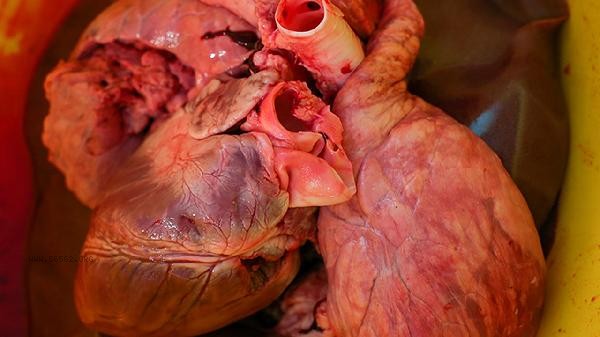
It is recommended to choose pork products labeled with lean meat percentage, remove visible fat layers before cooking, and use low oil cooking methods such as steaming and stir frying. Cooking with ingredients such as hawthorn and tangerine peel that aid digestion can enhance flavor and alleviate greasiness. People with weak gastrointestinal function should pay attention to controlling their single consumption and engage in appropriate activities after meals to promote digestion. If there are persistent symptoms of fat digestion discomfort, timely medical examination should be conducted to check the liver, gallbladder, and pancreas function.








Comments (0)
Leave a Comment
No comments yet
Be the first to share your thoughts!