
The lack of sweetness in grapefruit may be related to factors such as variety characteristics, insufficient maturity, planting environment, picking time, and storage conditions. There is a significant difference in sugar content among different varieties of pomelos. Immature pomelos have insufficient sugar accumulation, and soil nutrient imbalances or insufficient light can also affect sweetness.
1. Variety Characteristics
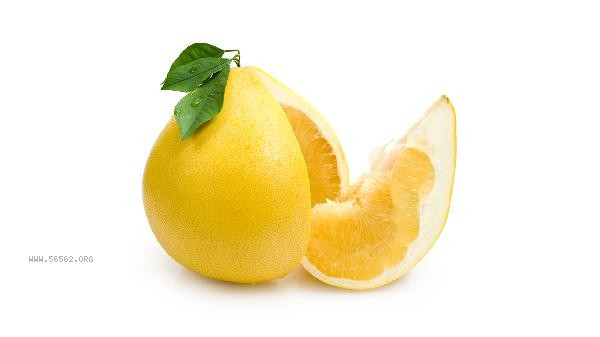
Pomelo varieties directly affect fruit sweetness, with some varieties such as Shatian pomelo and honey pomelo having higher sugar content, while varieties such as Wendan pomelo and grapefruit have more prominent acidity. New varieties cultivated through hybridization may enhance their sugar accumulation ability through genetic regulation, and high sugar varieties should be given priority when selecting.
2. Insufficient maturity
Citrus fruits harvested too early have insufficient sucrose conversion and incomplete breakdown of glycosides. The naturally ripe grapefruit peel will gradually become thinner and softer, the flesh will be semi transparent, and the sugar acid ratio will reach its optimal state. Maturity can be determined by observing whether the fruit stem has dried up and fallen off.
3. Planting environment
Regions with large temperature differences between day and night are more conducive to sugar accumulation, and sufficient light can promote the conversion of photosynthetic products into soluble sugars. The lack of potassium in soil can reduce the sugar content of fruits, and the appropriate use of organic fertilizers can improve flavor. Drought stress can also prompt plants to increase intracellular sugar concentration.
4. Picking Time
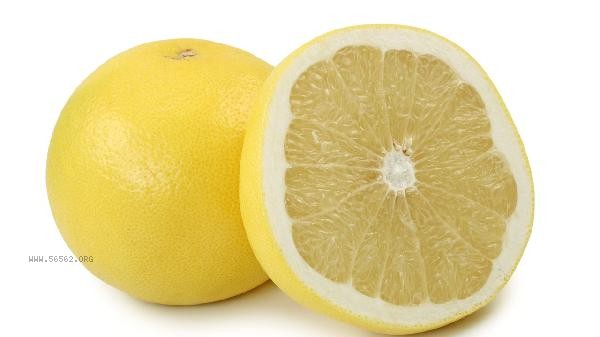
Pomelo harvested before and after frost usually has a higher sweetness, and the decrease in temperature at this time promotes the hydrolysis of starch into sugars. Fruits harvested in the morning consume some sugar due to nighttime respiration, while pomelos harvested in the afternoon are relatively sweeter. Picking on rainy days can easily lead to the loss of flavor compounds.
5. Storage Conditions
Low temperature storage can inhibit the sugar conversion during the ripening process of pomelos, and placing them in an environment of 10-15 degrees Celsius for a week can increase sweetness. Ethylene ripening may accelerate the degradation of pectin but is not conducive to sugar accumulation, and poor ventilation can cause fruit fermentation to produce a sour taste. Storing with branches helps maintain freshness.
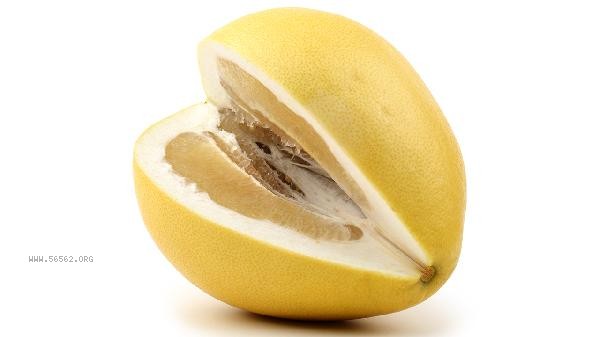
For non sweet pomelos that have already been purchased, you can try storing them together with ethylene releasing fruits such as apples and bananas to promote ripening, or cut them into pieces and drizzle a small amount of honey for consumption. When making daily purchases, pay attention to observing whether the oil cells in the fruit peel are full, and press on the elastic and fragrant grapefruit for better maturity. Patients with diabetes should control the consumption, and those with weak gastrointestinal function should avoid eating acidic varieties on an empty stomach.








Comments (0)
Leave a Comment
No comments yet
Be the first to share your thoughts!