
Fruit oxidation is mainly caused by the chemical reaction between polyphenol oxidase and oxygen, which is common in fruits such as apples and bananas that have been cut or damaged. The oxidation process is influenced by factors such as temperature, acidity, and metal ions.
1. Enzymatic Reaction
Polyphenol oxidase in fruits binds with phenolic substances when cells are damaged, generating quinone compounds with the participation of oxygen, and then polymerizing to form brown substances. These enzymes have high activity in fruits such as apples and pears, and after peeling, they quickly undergo browning reactions when exposed to air.
II. Metal ion catalysis
Iron and copper ions accelerate the oxidation process. The trace metal elements contained in fruits or the metal ions that come into contact with metal cutting tools act as catalysts to promote electron transfer, making phenolic substances more easily oxidized. Using stainless steel knives to cut fruits can alleviate this phenomenon.
III. Oxygen Contact
After the rupture of fruit pulp tissue, internal cells are exposed, and phenolic substrates directly contact oxygen to trigger an oxidative chain reaction. The intact fruit peel can effectively isolate oxygen, while mechanical damage or cutting can significantly increase the oxidation area.
4. Temperature Effect
High temperature environment enhances enzyme activity, while low temperature inhibits reaction rate. refrigeration can delay oxidation but cannot completely prevent it, while freezing can inactivate enzymes. Some tropical fruits, such as mangoes, oxidize faster at room temperature.
V. Changes in pH
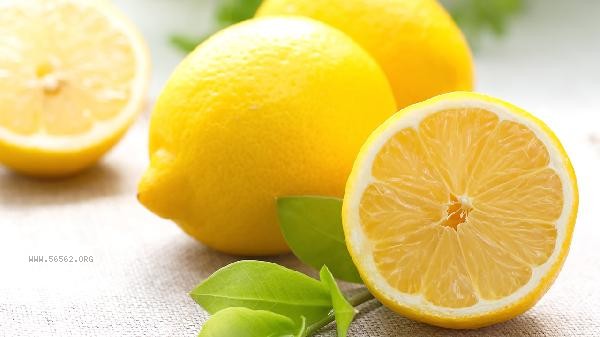
Acidic environment can inhibit polyphenol oxidase activity. Acidic substances such as lemon juice delay browning by lowering the pH value, while alkaline conditions accelerate the oxidation process. The difference in acidity and alkalinity of some fruits also affects the oxidation rate.
To reduce fruit oxidation, it is recommended to cut and eat fresh or soak in diluted salt water, use a ceramic knife for cutting, and seal with cling film to isolate air during refrigeration storage. You can choose fruits with strong antioxidant capacity in daily life, such as blueberries and pomegranates, which are rich in anthocyanins that can neutralize free radicals. For oxidized fruits, although the surface browning does not affect food safety, there may be some loss of nutrients such as vitamin C.








Comments (0)
Leave a Comment
No comments yet
Be the first to share your thoughts!