
The bitter taste of fresh lemons soaked in water is mainly caused by the dissolution of limonin and bitter substances released from seeds in lemons. The degree of bitterness is related to factors such as lemon variety, soaking time, and water temperature.
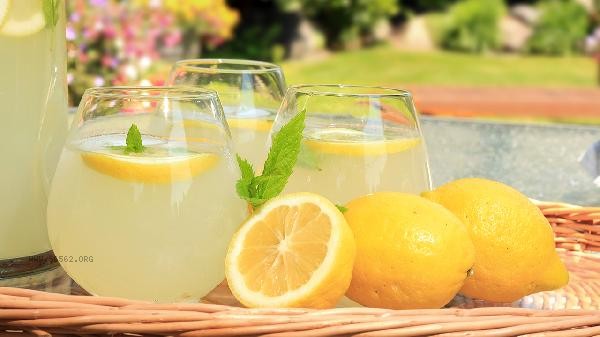
1. Limonin precipitation
Lemon peel and flesh contain natural limonin compounds, especially the white flesh part of the peel has the highest content. When the slice is too thick or the soaking time exceeds 2 hours, a large amount of these fat soluble substances will dissolve out. Choosing perfume lemon with thin skin and full pulp can reduce the probability of bitter taste.
2. Seed rupture release
Lemon seeds contain bitter glycosides such as naringin. When sliced, if the seed structure is damaged, these components will be quickly released when they come into contact with water. Suggest brewing after removing the seeds, or using a specialized lemon juice extractor to filter the seed residue. Lemons stored in refrigeration for more than 3 days are more prone to leakage of bitter substances due to decreased integrity of seed cell membranes.
3. High water temperature
Hot water exceeding 60 ℃ will accelerate the rupture of the fruit peel cell wall, promoting the dissolution of more bitter substances. The experiment showed that the bitterness intensity of lemon water soaked in 80 ℃ hot water for 10 minutes is more than twice that of room temperature soaking. Suggest brewing with warm water at 40-50 ℃ or cold extraction for more than 4 hours to obtain a refreshing flavor.
4. Variety Differences
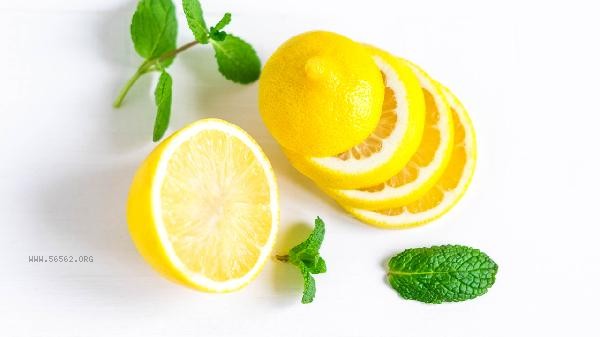
Commercial lemon bitters such as Yulike generally contain more than 2%, while varieties such as Beijing lemon and Mel lemon only contain about 0.5%. Old tree lemons with rough skin and oval fruit shape are usually more bitter than smooth round new tree lemons. When purchasing, the density of oil cells in the fruit peel can be observed. Dense ones have a richer flavor but are prone to bitterness.
5. Oxidation Reaction
When lemon slices are exposed to air, polyphenol oxidase catalyzes the conversion of flavonoids into bitter taste precursors. Suggest cutting and soaking immediately, or adding a small amount of vitamin C to water to delay oxidation. Lemon water stored overnight will experience a significant increase in bitterness the next day due to continuous hydrolysis reaction.
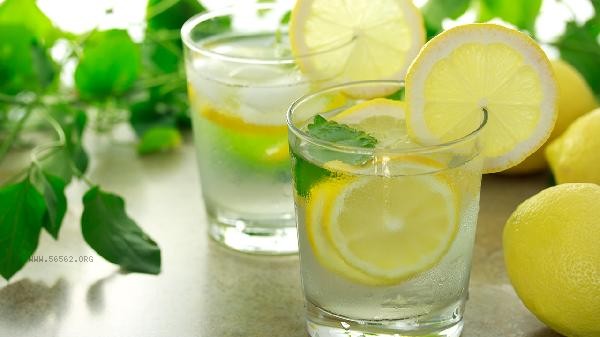
When consumed daily, it can be paired with 5-10 grams of honey to adjust the taste. For those with excessive stomach acid, it is recommended to drink it after meals. Choosing seedless varieties, controlling soaking time within 30 minutes, and using glass cups instead of metal vessels for brewing can effectively improve the bitterness problem. If there are abnormal reactions such as numbness in the tongue, be alert to the possibility of pesticide residues or mold growth on the lemon skin, and stop using immediately.








Comments (0)
Leave a Comment
No comments yet
Be the first to share your thoughts!