
The inability of the egg mixture to form a creamy texture may be related to factors such as inappropriate whipping tools, low egg temperature, insufficient freshness of the eggs, improper sugar addition, and oil contamination.
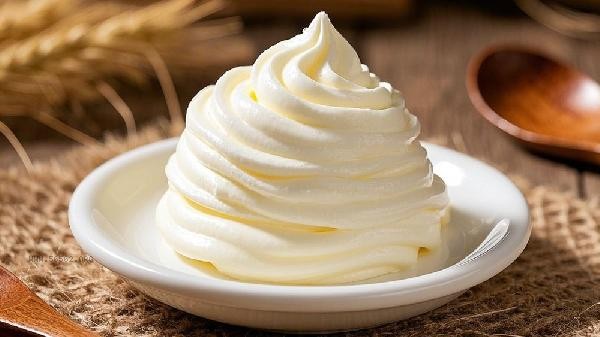
1. Inappropriate whisking tool
It is difficult to fully whisk the egg mixture to a creamy consistency using a manual whisk or an electric whisk with insufficient power. The protein in the protein needs high-speed shear force to form a stable foam structure. It is recommended to select an electric egg beater with a capacity of more than 300 watts, and use a deep mouth container to avoid splashing. Copper egg beating basin can help stabilize protein foam, but ordinary stainless steel basin can also be replaced.
2. Low egg temperature
The egg white of refrigerated eggs has high viscosity and slow molecular movement, making it difficult to form a bubble network. The separated egg whites can be cooled to around 20 degrees Celsius at room temperature before being whipped, but it should not exceed 25 degrees Celsius in summer to prevent protein denaturation. Heating to around 30 degrees Celsius in an insulated water bath can significantly improve the efficiency of agitation, but strict temperature control is required to avoid protein coagulation.
3. Insufficient freshness of eggs
Eggs stored for more than 7 days have an increased pH value in the egg white, a loose structure in the egg mucin, and a decreased ability to retain bubbles. The egg white of fresh eggs is gel shaped, and can pull out obvious adhesive filaments. During testing, the integrity of the egg yolk can be observed, and loose yolk eggs should not be used for beating. It is recommended to choose batches produced within two weeks for commercially available boxed eggs.
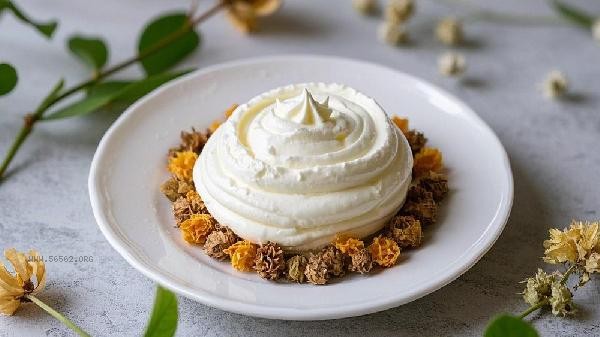
4. Improper addition of sugar
Premature addition of granulated sugar can inhibit protein foaming. It should be added in three portions after fish eye bubbles appear in the egg mixture. Too little sugar will lead to weak foam structure, usually 15 grams of sugar is suitable for each egg white. Sugar powder is more soluble than granulated sugar, but attention should be paid to preventing moisture and clumping. In special circumstances, glucose syrup can be used to replace some sugar to enhance glossiness.
5. Oil pollution
Lecithin in egg yolk will destroy the stability of protein foam, so it is necessary to ensure that no egg yolk is mixed during separation. The residual oil in the egg beater should be thoroughly cleaned with lemon juice or white vinegar. Plastic containers are prone to absorbing grease, so it is recommended to use glass or metal containers. Adding Tata powder or corn starch can improve protein tolerance, but the dosage should be controlled within 1% of the egg white weight.
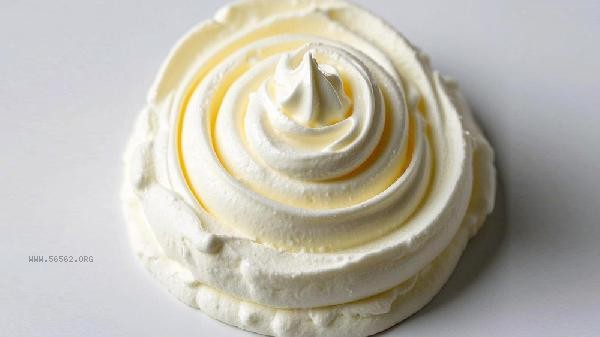
When making desserts, it is recommended to use fresh eggs and separate the egg white and yolk in advance. All tools must be strictly degreased. In summer, it can be pre refrigerated to control the temperature of the egg tray, and in winter, it can be cooled with warm water as an auxiliary. If you need to preserve beaten protein, you can add an appropriate amount of gelatin powder to enhance stability. For beginners in baking, it is recommended to first practice the basic sponge cake recipe and master the egg white whisking technique, and gradually try making complex desserts. Pay attention to the changes in protein status. If there is a glossy appearance and the bowl does not flow, it is the ideal degree of spreading.








Comments (0)
Leave a Comment
No comments yet
Be the first to share your thoughts!