
The fragility of dumpling wrappers may be related to insufficient gluten content in the flour, improper moisture ratio in the dough, insufficient kneading time, insufficient waking time, and incorrect rolling techniques.
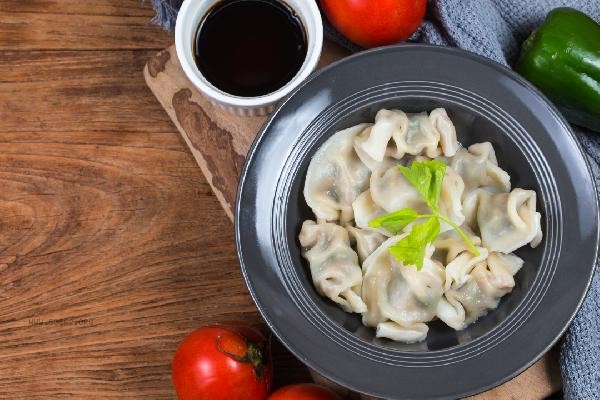
1. Insufficient gluten content of flour
When making dumpling wrappers, it is advisable to use medium high gluten flour, which has a high protein content and can form a strong gluten network. If low gluten flour or flour stored for too long is used, the loose gluten structure can easily lead to poor extensibility and breakage during rolling. You can try adding a small amount of salt or egg white to enhance gluten.
2. Improper moisture ratio of dough
The moisture content of dough should be controlled between 40% -50%. Too little moisture will make the dough dry, hard, and lacking elasticity, while too much moisture will make it sticky and difficult to form. It is recommended to add water in batches and stir until it forms snowflake like flocs before kneading. In summer, when the air humidity is high, the amount of water can be reduced by 5% appropriately.
3. Insufficient kneading time
Adequate kneading can fully hydrate protein molecules to form dense gluten, usually requiring continuous kneading for 15-20 minutes until the dough is smooth. There are dry powder particles inside the dough that have not been thoroughly kneaded, and the stress distribution is uneven during rolling, making it easy to break. You can wrap it in plastic wrap and let it sit for 10 minutes before kneading for better results.
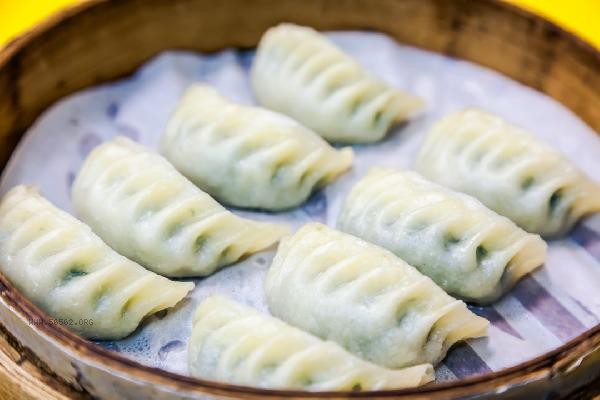
4. Insufficient wake-up time
Waking dough for more than 30 minutes can rearrange loose gluten and improve extensibility. When the ambient temperature is below 20 degrees, it can be extended to 1 hour, but exceeding 2 hours will cause fermentation to become sour. In winter, a warm water basin can be used to keep warm and accelerate facial awakening.
5. Incorrect rolling technique
When rolling, apply force evenly from the center to the edge to maintain consistent thickness. Thin edges or excessive local stretching can reduce toughness. Sprinkle a small amount of starch to prevent sticking and avoid using dry flour that may cause separation of the skin layer. Pay attention to the kneading force when filling, excessive pulling can also cause cracking. Improving the toughness of dumpling skins requires systematic control of raw material selection and process operation. It is recommended to use fresh medium gluten flour and adjust it according to the standard of 500g flour mixed with 220ml cold water. Knead the dough until the thin film can be pulled out, and after waking up, roll it into a round skin with thick center and thin edges. During packaging, pay attention to controlling the humidity of the filling. Vegetables should be blanched and watered in advance, and the meat filling should be stirred vigorously in the same direction. When cooking, boil the water and light cold water three times to ensure that the skin and filling are cooked thoroughly simultaneously. The remaining dough can be frozen and stored, and when used, it can be reheated and kneaded again to restore its gluten. If there is a long-term issue of fragility, adding a small amount of potato starch or cassava starch can be considered to improve the taste.








Comments (0)
Leave a Comment
No comments yet
Be the first to share your thoughts!