
The failure of cream to rise is usually related to factors such as excessive whipping temperature, insufficient oil content, improper whipping speed, quality issues with raw materials, and incorrect operating techniques.
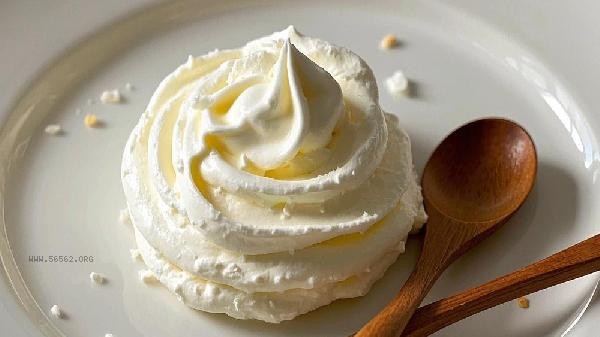
1. The whipping temperature is too high
The cream is easy to soften in the high temperature environment, which makes it difficult to form a stable foam structure when whipping. Animal butter should be kept at a low temperature, with the optimal whipping temperature between 4-8 degrees Celsius. If the room temperature exceeds 20 degrees Celsius or the mixing bowl is not refrigerated in advance, the fat globules in the cream cannot effectively wrap around the air, resulting in melting and oil-water separation.
2. Insufficient fat content
When the fat content of cream is less than 30%, it is difficult to beat, and low-fat cream or plant-based cream substitutes are commonly used. Animal cream should be selected with a fat content of at least 35%. During the mixing process, the fat balls collide to form a mesh structure, enveloping the air to create a fluffy texture. Mixing milk or cream with excessive moisture can also dilute fat concentration.
3. Improper whipping speed
High speed stirring in the early stage can easily cause the cream to splash and have a loose structure. Failure to reduce the speed in a timely manner in the later stage can cause the cream to become excessively whipped into granules. The correct approach is to first beat the cream at a medium speed until it becomes thick, and then switch to a low speed adjustment state after the texture appears. Excessive power or continuous high-speed operation of an electric mixer can damage the cream emulsion system.
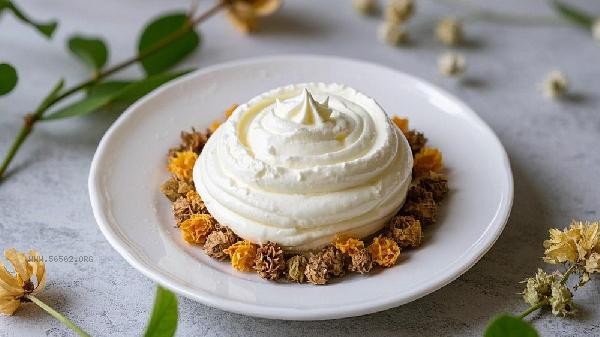
4. Raw material quality issues
Using cream that is nearing its expiration date or stored improperly may result in changes in its protein and fat structure. Repeated freeze-thaw cycles of cream can cause ice crystals to damage the tissue, and adding stabilizers to cream can also affect its whipping performance if the storage temperature fluctuates greatly and the activity of emulsifiers decreases. Cream with insufficient freshness often has a sour taste and uneven texture.
5. Incorrect operation
Water stains or grease residues in the mixing basin will hinder the formation of foam, and unfiltered cream may contain lumps that affect the even sending. Excessive stirring beyond the critical point can cause butter to precipitate from the cream, while insufficient stirring cannot form enough air bubbles. Adding sugar powder too early or pouring a large amount of sugar at one time will also inhibit the stability of foam.
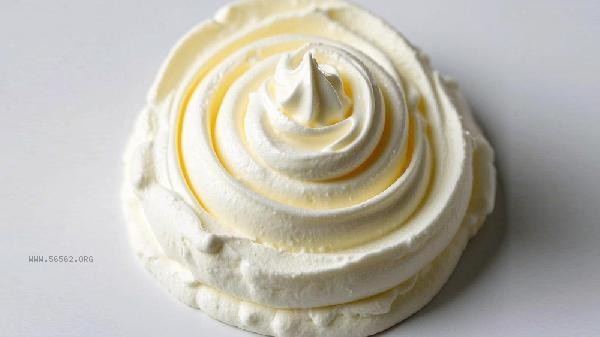
When making cream, it is recommended to refrigerate all tools for 1 hour in advance, choose fresh animal cream with high fat content, and add powdered sugar in portions under air conditioning and stir at low speed. If oil-water separation occurs, a small amount of cold milk can be added to continue whipping, but excessively solidified cream needs to be refrigerated before attempting again. In summer, an ice water basin can be placed at the bottom of the mixing bowl to control the temperature. The whipped cream should be used as soon as possible or stored refrigerated. Pay attention to the differences in how different brands of cream pass the time. Plant butter usually contains stabilizers that are easier to handle but have a slightly inferior taste.








Comments (0)
Leave a Comment
No comments yet
Be the first to share your thoughts!