
The thick skin and hard fruit of tomatoes may be related to factors such as variety characteristics, growth environment, improper fertilization, premature harvesting, pests and diseases.
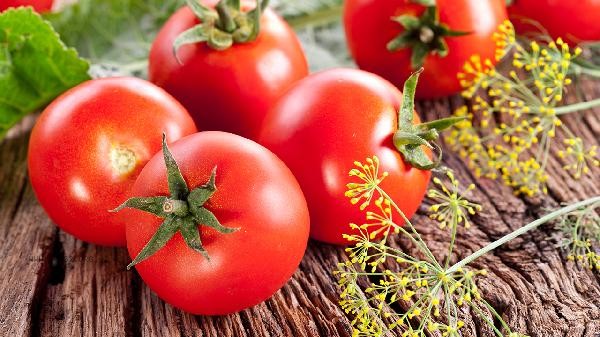
1. Variety Characteristics
Some tomato varieties have the characteristics of thick skin and tight flesh, which are usually resistant to storage and transportation or specialized for processing. For example, some hybrid varieties can strengthen their skin structure through genetic screening, resulting in a higher hardness even after maturity, which is a normal phenomenon.
2. Growing environment
Excessive light exposure or temperature difference between day and night can accelerate the lignification of tomato peel. Under high temperature and drought conditions, fruits will thicken the epidermal cell layer to reduce water evaporation; However, a low temperature environment may inhibit pectinase activity, making it difficult for the flesh tissue to soften. Attention should be paid to temperature and humidity control during greenhouse planting.
3. Improper fertilization
Excessive application of nitrogen fertilizer can promote plant nutritional growth and lead to excessive fruit peel development; Lack of calcium can affect the normal breakdown of cell walls and the formation of hard fruits. It is recommended to increase the application of phosphorus and potassium fertilizers during the results period, and supplement calcium fertilizers on the leaves to maintain nutrient balance.
4. Harvesting too early
Tomatoes harvested before reaching physiological maturity have not yet fully converted their pectin substances, resulting in hard and solid flesh. Normally mature tomatoes should continue to soften after the color transition period, and the best harvesting quality is achieved when a red halo appears around the fruit stem.
5. Diseases and pests
Virus diseases or thrips damage may cause abnormal fruit development and thickening. Tomato spot wilting virus can interfere with the normal ripening process of fruits, causing leatherification of the skin; Eating by pests may stimulate plants to produce defensive thickening reactions. Timely prevention and destruction of diseased fruits are necessary.
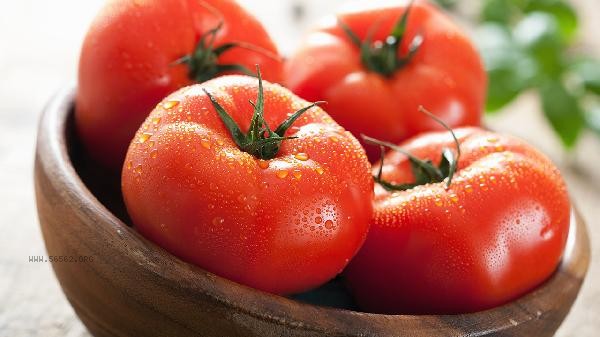
It is recommended to choose varieties that are suitable for the local climate for daily planting, keep the soil moist but avoid waterlogging, and reduce watering one week before harvesting to improve fruit quality. If encountering thick skinned tomatoes during consumption, they can be peeled and cooked or made into sauces, and the fibers can be softened by heating. Avoid refrigeration during storage, as low temperatures can exacerbate the hardening of the fruit pulp. Storing in a well ventilated area at room temperature is more conducive to maintaining the flavor. For family growers, regular thinning of fruits and maintaining a reasonable amount of hanging fruits can help concentrate nutrient supply and improve fruit texture.








Comments (0)
Leave a Comment
No comments yet
Be the first to share your thoughts!