
The redness of white grapefruit meat may be related to factors such as variety variation, oxidation reaction, improper storage, disease infection, or hormone residue. The discoloration of grapefruit flesh is usually a normal phenomenon, but it is necessary to determine whether there is a risk of consumption based on specific reasons.
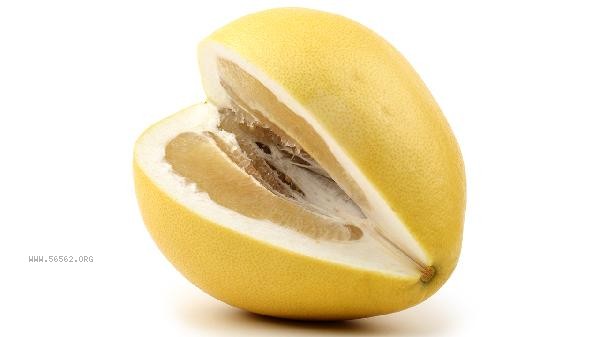
1. Variety variation
Some grapefruit varieties may experience natural redness of the flesh during the ripening process, which is a characteristic of the variety. This type of grapefruit has a uniform color of flesh, no abnormal odor, and a taste no different from ordinary white grapefruit, making it safe to consume. When making a purchase, you can observe whether the skin is intact, and it is better to press it with elasticity.
2. Oxidation Reaction
After cutting grapefruit and exposing it to air, polyphenolic substances will undergo enzymatic browning upon contact with oxygen, resulting in localized redness of the fruit flesh. This phenomenon is more pronounced when stored at low temperatures or for a longer period of time. It is recommended to consume it as soon as possible after cutting it open, or wrap it with plastic wrap to reduce air contact.
3. Improper storage
Prolonged exposure of grapefruit to high temperature and high humidity environments may cause damage to the flesh cells and the appearance of reddish brown spots. If accompanied by fermented wine flavor or sticky texture, it has deteriorated and is not edible. When storing, it should be placed in a cool and ventilated place, avoiding direct sunlight and squeezing collisions.

4. Disease Infection
Fungal diseases such as anthracnose may invade the interior of grapefruit, causing irregular reddish brown lesions on the flesh, often accompanied by a rotten odor. This type of grapefruit may produce mycotoxins and should be discarded whole and not eaten. Pay attention to checking the skin for dents or mold spots when purchasing.
5. Hormone residues
Excessive use of plant growth regulators during the planting process may lead to abnormal coloring of the fruit flesh, resulting in uneven red color. This type of grapefruit may contain harmful substances. It is recommended to purchase it through regular channels, thoroughly clean the skin and peel off the white sponge layer before consumption.

It is recommended to choose fresh fruits with uniform skin color and heavy weight for daily consumption of pomelos. If slight redness is found after cutting, the discolored part can be removed before consumption. If the flesh turns red in large areas accompanied by abnormal odors, mucus, etc., it should be immediately stopped from consumption. Grapefruits are rich in vitamin C and dietary fiber, but those with weak gastrointestinal function should pay attention to controlling their consumption and avoid overeating on an empty stomach. When storing, intact pomelos can be placed in a mesh bag and hung in a cool place. Cut pomelos need to be refrigerated and consumed within two days.








Comments (0)
Leave a Comment
No comments yet
Be the first to share your thoughts!