
Mushrooms with a pungent odor are usually related to their variety characteristics, spoilage, or chemical contamination. Common reasons include the release of special metabolites such as sulfur bacteria, improper storage leading to microbial growth, and exposure to pesticides or industrial pollutants in the growth environment.
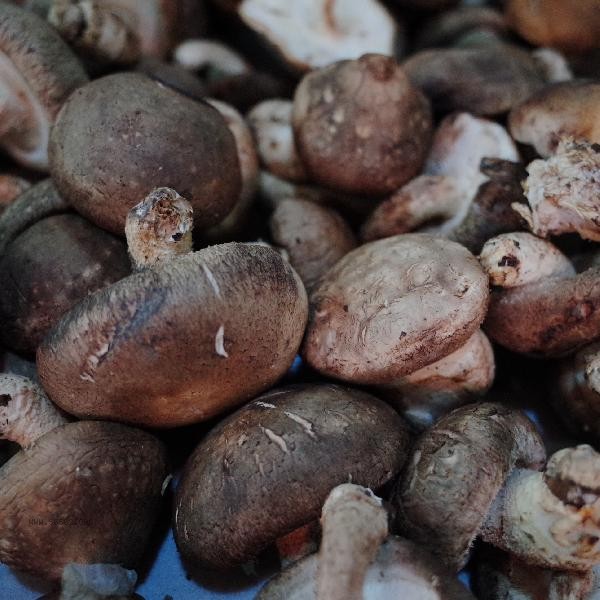
1. Variety Characteristics
Some mushroom varieties themselves release special odors, such as sulfur bacteria containing volatile compounds such as dimethyl trisulfide, which produce a pungent odor similar to rotten meat or rotten eggs. This type of odor is a natural metabolite of mushrooms and usually does not affect food safety, but may affect taste. When choosing, priority should be given to common edible mushrooms with a light odor.
2. Decay and deterioration
Mushrooms with high water content are prone to bacterial and fungal growth, and during the decay process, they release odorous substances such as ammonia and sulfides. If the cap becomes sticky and the gills turn black with a pungent odor, it indicates that it has deteriorated. When storing, it should be kept dry and ventilated, and refrigeration should not exceed 3 days. Wild mushrooms may also produce toxins after decay, so they should be avoided from consumption. When the growth environment is polluted by pesticides, heavy metals, or industrial wastewater, mushrooms may adsorb harmful substances and emit chemically irritating odors. Especially wild mushrooms are prone to absorbing organic pollutants in the soil, such as polycyclic aromatic hydrocarbons. It is recommended to purchase cultivated mushrooms from legitimate channels and rinse thoroughly with running water before cooking.
4. Metabolic abnormalities
Some edible mushrooms may experience metabolic abnormalities during specific growth stages, such as the decomposition of mycelium and the production of unpleasant odors during the aging of shiitake mushrooms. Uncontrolled temperature and humidity during artificial cultivation may also lead to the accumulation of secondary metabolites. Although these mushrooms are non-toxic, their nutritional value decreases and their taste deteriorates.
5. Insect infestation
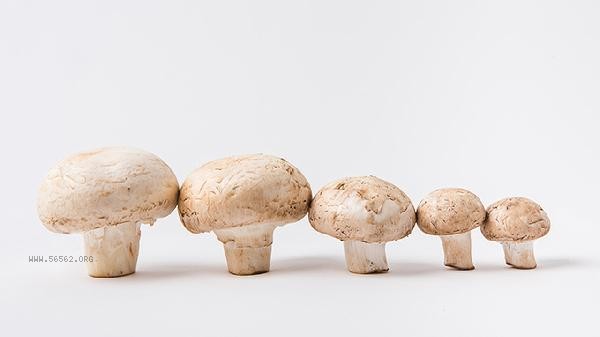
Mushrooms that have been eaten by insects will produce a sour taste due to the mixture of insect secretions and decaying tissues. Pests often cause holes and mold spots in the bacterial cells, which may breed pathogenic bacteria. Mushrooms that have been found to be infested with insects should be discarded in batches, and only the spoiled parts should be cut off for continued consumption.
It is recommended to choose fresh mushrooms with tight caps, no mucus, and a fragrant aroma, and avoid purchasing varieties with abnormal colors or strong odors. Wild mushrooms should be identified by professionals and should not be consumed blindly. Before cooking, blanch to remove some volatile substances, and those with gastrointestinal sensitivity should control their consumption. If you experience symptoms such as dizziness and vomiting after ingesting mushrooms with unusual odors, seek medical attention immediately and keep the sample for testing.








Comments (0)
Leave a Comment
No comments yet
Be the first to share your thoughts!