
The appearance of white rice grains in rice is usually due to immature rice grains or residual broken rice during processing, mainly related to factors such as rice maturity, processing technology, and storage conditions.
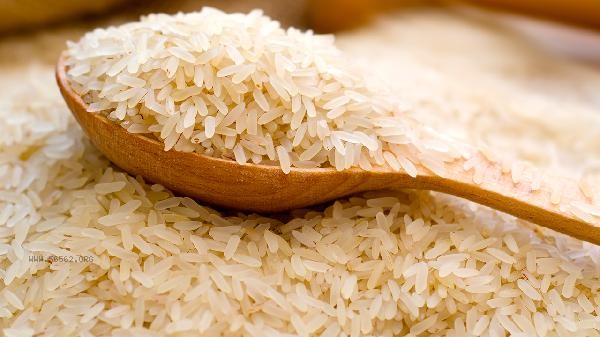
1. Immature rice
If there is uneven maturity during rice harvesting, some grains may not be fully filled, resulting in an opaque white color after milling. This type of rice grain has a loose starch structure and a hard texture when cooked. Farmers usually reduce the proportion of unripe grains by adjusting the harvesting time and adopting staggered harvesting methods.
2. Processing residual broken rice
During the polishing process of the rice mill, some of the surface layers of the rice grains are ground off to form broken rice, and its cross-section appears white. Modern processing plants can effectively remove broken rice through multiple screening and color selection processes, while traditional workshop style processing may leave more broken rice components.
3. Regeneration phenomenon of aged rice
In rice stored for a long time, amylose will undergo recrystallization, leading to local whitening. This phenomenon is more likely to occur in low temperature and high humidity environments. It is recommended to store rice in a cool and dry place and use a sealed container for preservation.
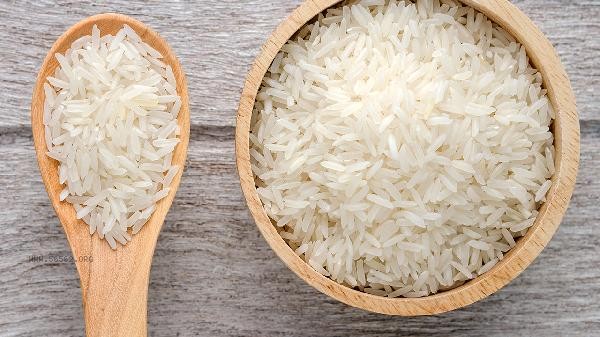
4. Differences in Variety Characteristics
Some japonica rice varieties naturally have a higher belly white rate, such as Northeast Pearl Rice which itself has a semi transparent belly white. The white part of this variety is a normal trait and does not affect its food safety and nutritional value.
5. Insect erosion or mold
Rice grains that have been eroded or slightly moldy by storage pests will locally turn white, often accompanied by holes or mold spots. When purchasing, pay attention to checking whether the rice has any odor, and it is recommended to air dry it regularly to prevent moisture during home storage.
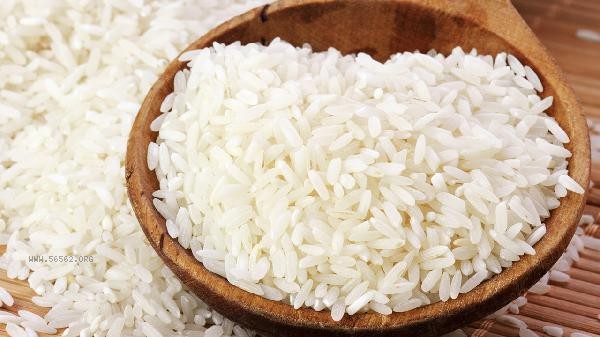
When purchasing rice in daily life, the overall color uniformity can be observed, and high-quality rice particles are plump and have consistent transparency. Simply wash the surface of the broken rice before cooking. If a large number of abnormal white spots or clumps are found, stop eating. Reasonably control the single purchase quantity to avoid long-term storage leading to quality decline. Storing rice in a dark and ventilated place can maximize freshness. For people with weaker digestive function, choosing non washed rice with higher precision processing is more conducive to nutrient absorption.








Comments (0)
Leave a Comment
No comments yet
Be the first to share your thoughts!