
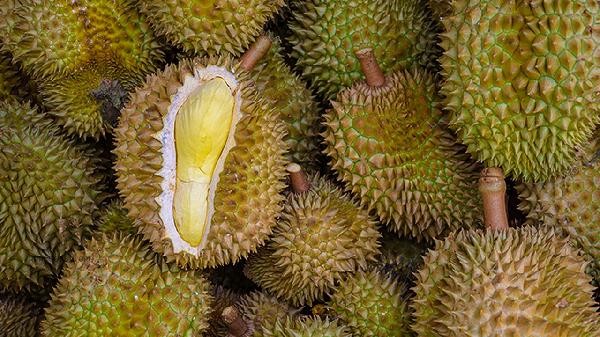
The odor of durian mainly comes from sulfur-containing compounds and volatile sulfides, including methyl mercaptan, ethyl mercaptan, dimethyl disulfide, dimethyl trisulfide, and other components. These substances are generated in large quantities through enzymatic hydrolysis during the ripening process of durian, forming a unique odor.
1. Decomposition of sulfur-containing compounds
Durian flesh contains abundant sulfur-containing amino acids, which are broken down into volatile sulfides by endogenous enzymes during fruit ripening. Methyl mercaptan has a smell similar to rotten onions, while ethyl mercaptan produces a pungent odor similar to rotten eggs. These low molecular weight compounds are easily diffused into the air.
2. Oxidation of Esters
Durian contains a large amount of unsaturated fatty acids, which undergo oxidation reactions during ripening to produce aldehydes and ketones. These oxidation products, when mixed with sulfides, will enhance the perception of decay odor. Some ester substances also release odor molecules similar to sweat acid during decomposition.
3. Differences in Variety Characteristics
There are significant differences in the odor intensity of different varieties of durian. Varieties with high sweetness such as Golden Pillow have lower concentrations of sulfur-containing compounds, while rich varieties such as Maoshan Wang can have several times the sulfide content of ordinary varieties. The sulfide content of wild durian is usually higher than that of cultivated varieties.
4. Maturity Effect
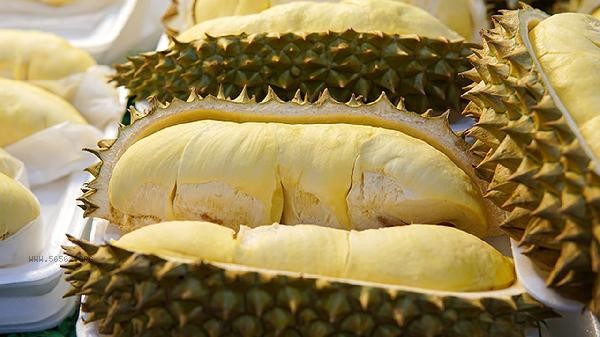
Immature durian has almost no odor. As the amount of ethylene released increases during post ripening, the activity of cell wall degrading enzymes increases, promoting the conversion of more sulfur precursor substances into volatile compounds. Over ripe fruits can produce an additional putrid odor due to microbial reproduction.
5. Changes in storage conditions
High temperature environments can accelerate the volatilization of sulfur compounds in durian, while refrigerated storage can inhibit enzyme activity and reduce odor release. After hatching, the flesh will undergo more intense oxidation reactions due to exposure to oxygen, resulting in a sharp increase in sulfide concentration in the short term.
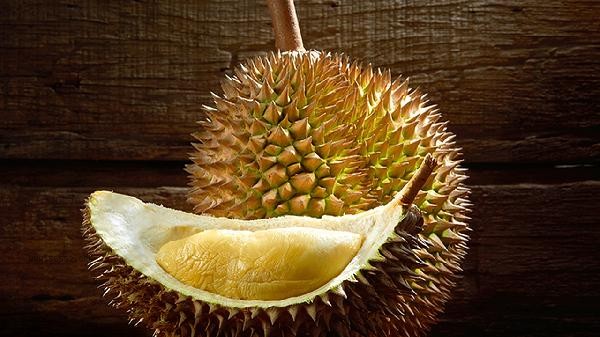
There are individual differences in the acceptance of durian odor, and some people can try to refrigerate the fruit flesh or mix it with ingredients such as coconut milk to neutralize the odor. After consumption, rinse your mouth with lemon water to eliminate residual odors. It is recommended to seal with plastic wrap during storage to reduce odor diffusion. Durian is rich in potassium and dietary fiber, but its calorie intake is relatively high and needs to be controlled in a single dose.








Comments (0)
Leave a Comment
No comments yet
Be the first to share your thoughts!