
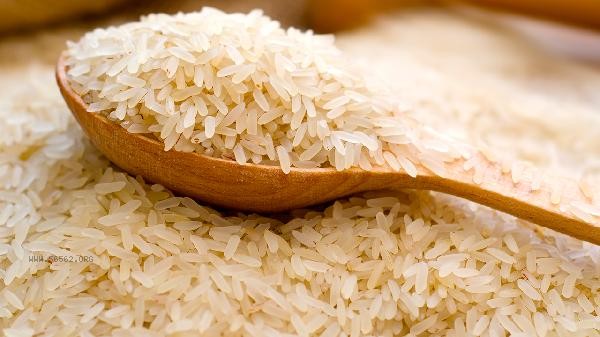
Rice whiteheads may be caused by improper storage, insect infestation, mold growth, or incomplete shelling during processing. White haired rice usually appears as a white powdery substance at the top of the grain, which may affect its taste and nutritional value.
1. Improper storage
Long term storage of rice in high temperature and high humidity environments can easily lead to uneven water evaporation, resulting in changes in the starch structure on the surface of the rice grains and the formation of white heads. It is recommended to store rice in a cool and dry place, use a sealed container to isolate it from air and moisture, and avoid direct sunlight. It is best to control the storage temperature below 15 degrees Celsius and the relative humidity below 70%.
2. Pest erosion
Grain storage pests such as rice weevils gnawing on rice grains can cause surface damage and form white powdery residues. Rice eroded by pests may have multiple irregular white spots, accompanied by insect holes. If insect pests are found, they should be dealt with in a timely manner. Rice can be frozen for 48 hours to kill insects, or natural insect repellents such as Sichuan pepper and garlic can be used for prevention.
3. In the early stage of mold growth [SEP], fungi reproduce on the surface of rice grains and produce white hyphae, which is an early manifestation of mold growth. Moldy rice may emit an unusual odor and have uneven distribution of white spots. Slightly moldy rice is not recommended for consumption as harmful substances such as aflatoxins may pose a health hazard. Pay attention to checking the production date and shelf life when purchasing.
4. Processing residues
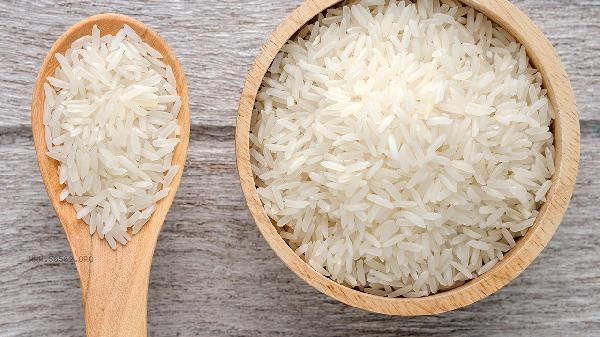
Uneven pressure from the rice mill during the rice hulling process may result in residual starch on the surface of some rice grains, forming regular white heads. The white haired rice caused by this processing reason is usually evenly distributed, with fixed white spot positions. Choosing high-quality rice produced by legitimate manufacturers can reduce such situations.
5. Variety characteristics
Some rice varieties, such as glutinous rice, have a loose endosperm structure and are prone to producing white powder due to friction during transportation. This type of white head belongs to physical damage, which does not affect food safety but may reduce the stickiness when cooking. When purchasing, pay attention to whether the packaging is intact and avoid purchasing products with damaged packaging.
When purchasing rice in daily life, it is recommended to choose products with full grains and uniform color. It is recommended to consume them within one month after opening. Rice can be stored together with desiccants and regularly checked for signs of insect infestation or mold growth. Wash carefully before cooking. If you find a large amount of white hair or odor, stop eating. Keeping the rice jar clean and dry, avoiding mixing old and new rice, can effectively prevent the occurrence of white head in rice. Reasonable storage can not only maintain the freshness of rice, but also maximize its nutritional value.








Comments (0)
Leave a Comment
No comments yet
Be the first to share your thoughts!