
When fresh milk is heated, it usually becomes burnt in the pot due to excessive temperature or long heating time, which causes protein and lactose to become charred. The main reasons are excessive heat, lack of continuous mixing, improper material of the cookware, differences in milk composition, and incorrect heating methods.
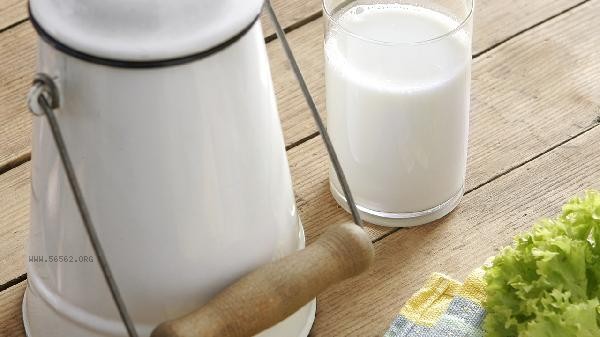
1. Excessive heat
The protein in fresh milk is prone to coagulation when it exceeds 80 degrees Celsius, and direct high-temperature heating can cause local temperatures at the bottom of the pot to become too high. When using an open flame for heating, if the heat is adjusted to medium high, the temperature of the bottom contact surface of the pot can quickly exceed 100 degrees Celsius. Lactose and protein in milk undergo Maillard reaction at high temperatures, forming brown charred substances that adhere to the bottom of the pot. It is recommended to use medium to low heat to slowly heat up and avoid concentrated heating at the bottom.
2. Non continuous stirring
Milk has poor thermal conductivity, and static heating can cause uneven heat distribution. The bottom milk is heated first but cannot dissipate heat through convection, and the continuous accumulation of heat will cause the bottom milk components to carbonize. During the heating process, it is necessary to continuously scrape the bottom of the pot with a heat-resistant silicone spatula to create a circulating flow of milk. Uniform heating can reduce the probability of sticking to the pot.
3. Improper material of cookware
If there are slight scratches on the bottom of stainless steel or aluminum pots, proteins in milk are more likely to deposit and char in the concave and convex areas. Thick bottomed cookware, due to its large heat capacity, may still result in burnt bottom even after turning off the heat. It is recommended to choose enamel pots with smooth surfaces or milk pots with non stick coatings, which have uniform thermal conductivity and are not prone to residual milk stains.
4. Differences in Milk Composition
Whole milk has a higher fat content, and breaking the fat globule membrane at high temperatures can accelerate protein aggregation. Partially homogenized milk is more prone to precipitation when heated due to the small size of fat globules. Low temperature sterilized pasteurized milk contains more active proteins than ultra-high temperature sterilized milk, and requires stricter temperature control during heating.
5. Incorrect heating method
Boiling milk directly will cause a large amount of water to evaporate quickly, and the concentrated milk solids will form a dense char layer at the bottom of the pot. If the power of the microwave oven is too high or the bottom of the container is uneven, it can also cause local overheating. It is recommended to use the water-resistant heating method, where milk is placed in a heat-resistant glass and heated in the middle of hot water to maintain a safe temperature range of 60-70 degrees Celsius.
When heating milk in daily life, you can first preheat the pot until your palm can feel the warmth. After pouring the milk, immediately turn it to the lowest heat and continue stirring until small bubbles appear at the edges, then turn off the heat. If there is a slight burnt bottom, soak it in a small amount of cold water and gently scrub it with baking soda. Be careful to avoid scratching the stainless steel pot with steel wire balls to prevent damage to the surface oxide layer. Choose fresh milk products with simple ingredients and consume them as soon as possible after opening. Milk that has been stored for a long time is more likely to separate and precipitate when heated. For lactose intolerant individuals, plant-based milk can be used as a substitute, which has relatively good thermal stability.








Comments (0)
Leave a Comment
No comments yet
Be the first to share your thoughts!