
The blackening of pork ribs and lotus root soup is usually related to lotus root oxidation or improper cooking utensils, mainly due to differences in lotus root varieties, use of iron pots, water quality effects, improper lotus root treatment, and unreasonable ingredient combinations.
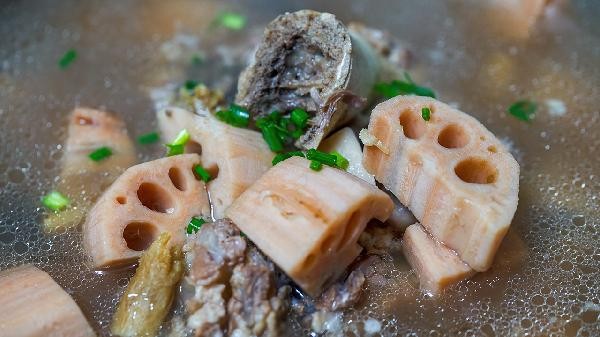
1. Differences in Lotus Root Varieties
Powdered lotus roots contain higher levels of polyphenolic substances, which can easily oxidize and turn black when exposed to air after cutting. This type of lotus root is suitable for stewing but requires quick processing. Soaking it in water immediately after peeling can slow down oxidation. Seven hole lotus root is more prone to discoloration than nine hole lotus root, and can be preliminarily judged by the number of lotus holes when purchasing.
2. Iron cookware
Iron cookware reacts chemically with phenolic substances in lotus roots to produce black substances. It is recommended to use a clay pot or stainless steel pot for stewing. If an iron pot is necessary, soak the lotus root pieces in lemon water to form a protective film. Areas with high concentrations of iron ions can also exacerbate the darkening of soup color.
III. Impact on Water Quality
Calcium and magnesium ions in hard water can promote the polymerization and coloration of phenolic substances. In northern regions, it is recommended to cook with filtered water or cold boiled water, and adding a little white vinegar to the water can neutralize the alkalinity. Avoid using tap water with high chlorine content for direct stewing, as chlorine can accelerate the browning of lotus roots.
4. Improper processing of lotus roots
Prolonged exposure or use of metal cutting tools after peeling can lead to enzymatic browning. Ceramic knives should be used to quickly cut pieces, and immediately soaked in diluted salt water to isolate oxygen. Blanching in boiling water for 10 seconds before stewing can disrupt oxidase activity, but may result in loss of some starch texture.
Fifth, the combination of ingredients is unreasonable.
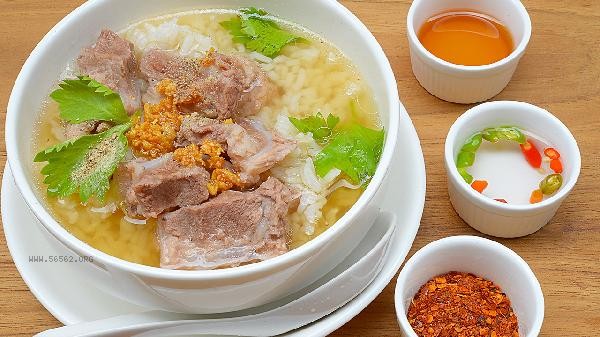
If the pork ribs are not blanched thoroughly, it will deepen the color of the soup. It is recommended to blanch them in cold water until there is no blood foam. When ingredients such as red dates and goji berries contain high levels of iron, discoloration may worsen. The order of addition can be adjusted until the soup color stabilizes before adding the ingredients. Boiling lotus root with acidic ingredients can inhibit blackening.
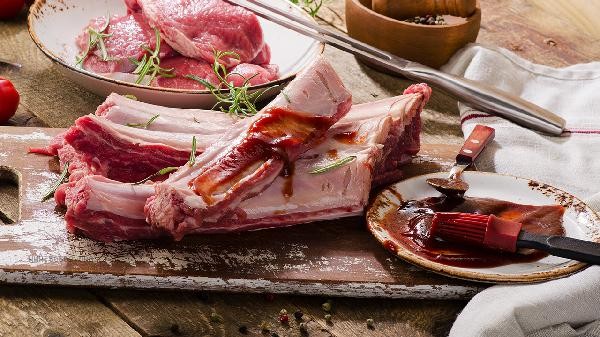
When making, choose fresh lotus roots with smooth skin, peel them quickly to avoid oxidation, and use neutral cookware and soft water to stew. You can add a little rice vinegar or lemon juice to maintain the clear color of the soup, but it should not be excessive to avoid affecting the taste. After blanching the pork ribs, skim off the foam and stew them with lotus root. Bring to a boil over high heat, then reduce the heat and simmer slowly for 1 hour. Season with salt 15 minutes before serving. If the soup color has turned black, it does not affect food safety, but its nutritional value and taste may slightly decrease. During daily storage, the soup should be completely cooled and sealed for refrigeration, and prolonged boiling should be avoided during reheating.








Comments (0)
Leave a Comment
No comments yet
Be the first to share your thoughts!