
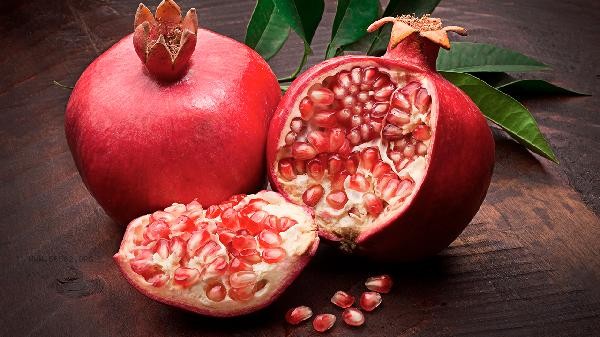
The blackening of pomegranate endothelium may be caused by oxidation reactions, low-temperature freezing damage, fungal infections, mechanical damage, improper storage, and other reasons.
1. Oxidation Reaction
Pomegranate endothelium contains phenolic substances, which are prone to enzymatic browning upon contact with air. If the skin is damaged or cut open and not consumed in a timely manner, polyphenol oxidase will catalyze the conversion of colorless phenols into brown quinone polymers. This phenomenon is similar to the blackening of apple slices, which is a normal chemical reaction. It is recommended to wrap the sliced pomegranate in plastic wrap and refrigerate it to delay the oxidation process.
2. Low temperature freezing damage
When pomegranate is stored at sub zero temperatures, the crystallization of cell fluid will puncture the cell membrane, causing the leakage of pigments such as anthocyanins. After thawing, these pigments will undergo color permeation upon contact with the endothelium, forming dark patches. When buying pomegranates in winter, it is important to pay attention to antifreeze. Mild frostbite does not affect the safety of the fruit flesh, but the taste may deteriorate.
3. Fungal infection
Infection by pathogenic bacteria such as Alternaria can cause black brown lesions on the endothelium, often accompanied by white hyphae or signs of decay. This type of infection is often caused by damage to the fruit peel during harvesting or high humidity in the storage environment. If moldy spots are found, the entire pomegranate should be discarded to avoid ingesting fungal toxins.
4. Mechanical damage
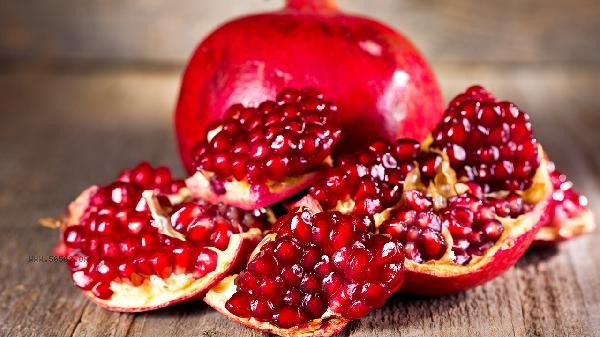
Transportation collision or compression can cause the rupture of pomegranate endothelial cells, releasing tannins that aggregate and turn black at the wound site. These black spots are usually distributed in stripes or irregularly, corresponding to possible indentations on the outer skin. Minor damage can be removed and the intact part can be consumed. If there is extensive blackening, it is not recommended to consume.
5. Improper storage
High temperature and humidity can accelerate the mold growth of pomegranate endothelium, while ethylene gas overload can promote pectin decomposition and lead to browning. Immature picked pomegranates are more prone to blackening due to insufficient protective mechanisms. When storing, the environment should be kept ventilated and dry, avoiding mixing with ethylene producing fruits such as bananas. Storage at room temperature should not exceed one week.
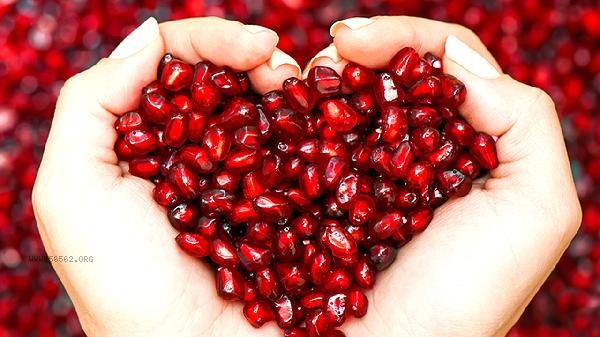
When selecting pomegranates in daily life, it is recommended to choose fruits with full and non sunken outer skin and fresh green calyx. Wipe the surface moisture with a dry cloth before storage, and store in a cool place or refrigerator vegetable box. If a large area of blackening and odor are found in the endothelium, it may indicate the growth of harmful microorganisms. It is recommended to discard the entire piece. Proper consumption of fresh pomegranate helps to supplement vitamin C and anthocyanins, but diabetes patients need to control their intake.








Comments (0)
Leave a Comment
No comments yet
Be the first to share your thoughts!