
Rice undercooked is usually a cooking problem caused by insufficient water or improper heat, which may be due to imbalanced rice water ratio, improper heat control, poor sealing of pots, differences in rice varieties, insufficient soaking time, etc.
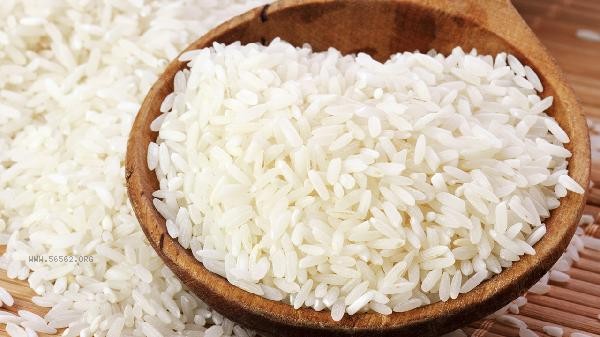
1. Imbalance of rice water ratio
Insufficient water consumption during rice cooking can lead to insufficient water absorption and expansion of rice. It is recommended that the water volume ratio for regular japonica rice be 1:1.2-1.5, while for indica rice, it is necessary to increase the water volume appropriately. When using a rice cooker, you can refer to the inner pot scale line. Traditional open flame cooking requires attention to the increase in evaporation.
2. Improper fire control
Failure to adjust the initial high heat to low heat and simmer in a timely manner after boiling can cause the surface rice grains to harden. The correct approach is to turn the water to medium low heat after boiling to maintain a slight boiling state, allowing the heat to penetrate evenly. Avoid frequent lid opening inspections when using smart rice cookers to prevent heat loss.
3. Poor sealing of cookware
Leakage of the lid can cause steam to escape, affecting the rice gelatinization process. It is recommended to choose cookware with thick lids, and use a damp cloth to seal the edges during cooking. Pressure cookers can effectively solve this problem, but attention should be paid to the working status of safety valves.
4. Differences in Rice Varieties
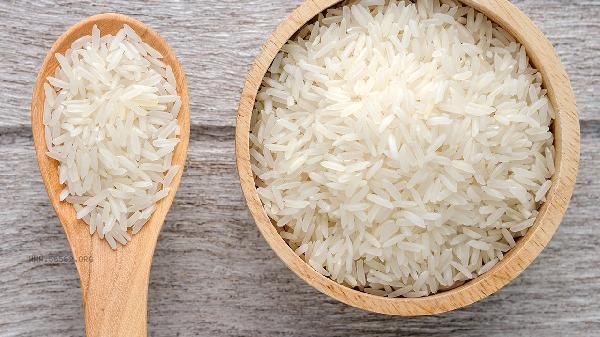
Long grain indica rice requires more water and time than short grain japonica rice. Due to starch aging, aged rice needs to be soaked for an extended period of time, while new rice needs to reduce its water content. Partially fortified nutritional rice contains a special coating, it is recommended to soak it for half an hour in advance.
5. Insufficient soaking time
The center of rice grains that have not been soaked is difficult to cook through. It is recommended to soak in cold water for more than 30 minutes in winter. Soaking can cause starch granules to absorb water and expand, shortening the gelatinization time. However, excessive soaking can cause rice grains to break and affect the taste.
To improve the quality of undercooked rice, try braising it again: loosen the undercooked rice, add a small amount of hot water, and simmer on low heat for 10 minutes. Pay attention to the production date of rice when making daily purchases and store it in a cool and dry place. Cooking time needs to be adjusted in different altitude areas, and it is recommended to use a pressure cooker in high-altitude areas. During the cooking process, keep the cookware clean to avoid oil stains affecting water penetration. Mastering these techniques can effectively improve the taste of rice and retain more nutrients.








Comments (0)
Leave a Comment
No comments yet
Be the first to share your thoughts!